5 Family-Friendly Dinners Everyone Will Love (Even Picky Eaters!)
Tired of dinner table standoffs? ✋ We've got the solution! This roundup features 5 delicious, easy-to-make dinners designed to please every palate at your table. From sneaky-veggie pastas to customizable tacos, these meals are guaranteed to bring smiles (and clean plates!) without the stress. Dinnertime peace is just a recipe away! 🍝🌮
QUICK & EASY WEEKNIGHT MEALS
Helene Henderson (Writer/Author)
12/29/202512 min read
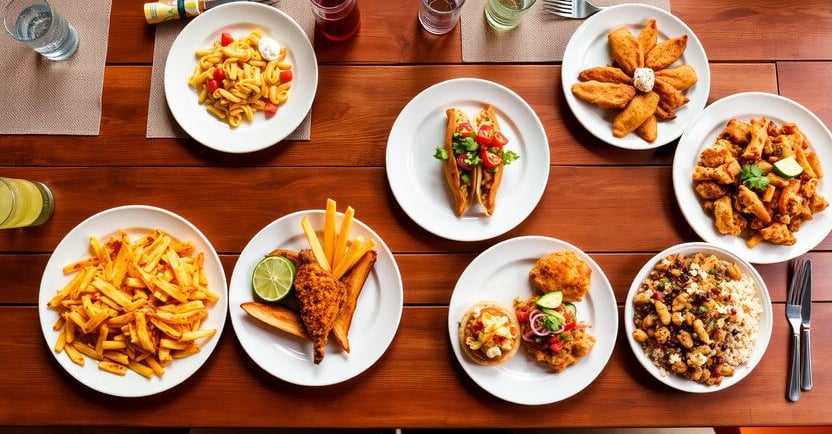
5 Family-Friendly Dinners Everyone Will Love (Even Picky Eaters!)
Introduction
Let's be honest—getting everyone in the family to agree on dinner can feel like negotiating a peace treaty. You've got one kid who won't touch anything green, another who suddenly decided they hate chicken, and a partner who's watching carbs. Meanwhile, you're just trying to get something nutritious on the table before 8 PM without losing your mind.
Sound familiar?
Family dinners are supposed to be this magical time where everyone gathers, shares their day, and enjoys a home-cooked meal together. But when you're dealing with picky eaters, that vision can quickly turn into a nightly battle. The good news? It doesn't have to be that way.
In this article, we're diving into five tried-and-true dinner ideas that have won over even the pickiest eaters. These aren't fancy recipes that require culinary school training or ingredients you can't pronounce. They're simple, customizable, and—here's the best part—they actually work.
What Makes a Dinner Family-Friendly?
Before we jump into the recipes, let's talk about what actually makes a dinner "family-friendly." It's not just about being kid-approved, though that's certainly part of it.
A truly family-friendly dinner hits several key points. First, it uses ingredients that people recognize and aren't intimidated by. Nobody's going to dive into dinner if they can't identify what's on their plate. Second, it offers customization. When each person can build their meal according to their preferences, you eliminate half the dinner table drama right there.
Time matters too. After a long day of work, school, and activities, nobody has the energy for a three-hour cooking marathon. These dinners come together relatively quickly, leaving you more time to actually enjoy being together. And finally, they need to appeal to different age groups—from your toddler to your teenager to the adults at the table.
Think of family-friendly dinners like a good movie—they need broad appeal without being boring.
Dinner #1 - Build-Your-Own Taco Bar
Why Tacos Work for Everyone
Tacos are the ultimate crowd-pleaser, and here's why: they're inherently customizable. Each person becomes the architect of their own meal, which means less complaining and more eating. Plus, there's something fun and interactive about building your own taco. It turns dinner into a bit of an activity rather than just food consumption.
The beauty of a taco bar is that even the pickiest eater can find something they like. Your vegetable-averse child? They can stick with cheese and meat. Your adventurous eater? They can pile on the salsa, jalapeños, and all the fixings.
Ingredients You'll Need
Setting up a taco bar is surprisingly simple. You don't need dozens of ingredients—just a good variety that covers all the bases.
Protein Options
Start with one or two protein choices. Seasoned ground beef is the classic option that most kids love. Season it with a simple taco seasoning blend (cumin, chili powder, garlic powder, paprika, salt, and pepper). If you want to offer variety, add shredded chicken or black beans as a vegetarian option.
Cook your proteins ahead of time and keep them warm in separate bowls. Pro tip: make extra and freeze the leftovers for an even easier taco night next time.
Toppings and Sides
This is where the magic happens. Set out small bowls of various toppings and let everyone customize to their heart's content. Essential toppings include shredded cheese (cheddar or Mexican blend), shredded lettuce, diced tomatoes, sour cream, and salsa.
For the adventurous eaters, add guacamole, sliced jalapeños, cilantro, diced onions, and lime wedges. Don't forget the shells—offer both hard and soft tortillas to accommodate different preferences.
On the side, serve Spanish rice, refried beans, or tortilla chips with queso. These sides are filling and familiar, making them safe choices for picky eaters.
Tips for Picky Eaters
The key to success with picky eaters at taco night is presentation. Lay everything out buffet-style so kids can see all their options. Put the "scary" toppings like onions and peppers at the end of the line, so they're optional rather than intimidating.
Encourage the "one bite" rule for new toppings, but never force it. Sometimes just having new foods present at the table—even if they're not eaten—helps kids become more familiar and eventually willing to try them.
Dinner #2 - Homemade Pizza Night
The Magic of Personal Pizzas
If tacos are the king of customizable dinners, pizza is the queen. There's something about making your own pizza that turns even the most reluctant eater into an enthusiastic chef. Kids love having control over what goes on their food, and pizza night delivers that in spades.
Personal pizzas solve the age-old problem of "I don't like that topping!" Because guess what? They don't have to have that topping. Everyone creates their own masterpiece, which means everyone's happy.
Simple Dough Recipe (or Store-Bought Shortcuts)
Let's address the elephant in the room—making pizza dough from scratch can feel intimidating. But here's the secret: you don't have to. Store-bought pizza dough from the refrigerated section of your grocery store works perfectly fine. Many stores also sell pre-made pizza crusts or flatbreads that make the process even simpler.
If you do want to make dough from scratch, it's easier than you think. A basic recipe needs just flour, yeast, warm water, olive oil, salt, and a bit of sugar. Mix it, let it rise for an hour, and you're ready to go. Or use a bread machine to do the work for you.
Topping Stations That Encourage Creativity
Set up your pizza-making station like an assembly line. Start with sauce (marinara is classic, but offer white sauce or even olive oil for kids who don't like tomatoes), then move to cheese, then all the toppings.
For toppings, think variety: pepperoni, cooked sausage, diced ham, cooked chicken, bell peppers, mushrooms, olives, pineapple, spinach, and fresh basil. Put each topping in its own bowl with a spoon for easy serving.
Classic Combinations Kids Love
While creative pizzas are fun, sometimes kids just want the classics. Cheese pizza is always a winner. Pepperoni is a close second. Ham and pineapple (yes, we're going there) has its devoted fans. Keep these simple combinations in mind for your most conservative eaters.
Bake the pizzas at 425°F for about 12-15 minutes until the cheese is bubbly and the crust is golden. The smell alone will have everyone gathered around the kitchen in anticipation.
Dinner #3 - One-Pot Chicken and Rice
Why One-Pot Meals Are Game-Changers
After two interactive, build-your-own meals, let's talk about something a bit more hands-off. One-pot chicken and rice is the dinner hero busy parents need. It's comforting, filling, and requires minimal cleanup—just one pot to wash at the end of the night.
This meal is particularly good for picky eaters because everything cooks together, blending flavors in a way that makes even vegetables more palatable. Plus, it's the kind of dinner that reminds people of home and comfort, which automatically gets points with kids.
The Basic Recipe
Start with bone-in, skin-on chicken thighs or drumsticks (they're more flavorful and harder to dry out than breasts). Season them with salt, pepper, garlic powder, and paprika. Brown them in a large pot or Dutch oven, then remove and set aside.
In the same pot, sauté diced onions until soft. Add rice (white or brown), chicken broth, and any seasonings you like—herbs like thyme or rosemary work beautifully. Nestle the chicken pieces back into the rice, bring everything to a boil, then reduce heat, cover, and let it simmer until the rice is tender and the chicken is cooked through.
Flavor Variations for Different Tastes
The beauty of this basic recipe is how adaptable it is. Want Mexican flavors? Add taco seasoning, corn, and black beans. Going for Asian-inspired? Use soy sauce, ginger, and sesame oil. Mediterranean? Add lemon, olives, and feta cheese.
For picky eaters, stick with a simple, mild version seasoned mostly with salt, pepper, and garlic. The familiar flavors won't scare anyone off.
Sneaking in Vegetables
This is your opportunity to add nutrition without starting a vegetable revolt. Finely diced carrots and peas blend into the rice almost invisibly. Frozen mixed vegetables work great too—they're already small and cook quickly.
If your kids are really vegetable-resistant, puree cooked vegetables into the broth before adding it to the rice. They'll get the nutrition without knowing it. Sneaky? Maybe. Effective? Absolutely.
Dinner #4 - Breakfast for Dinner
Why Breakfast Foods Appeal to Picky Eaters
There's something inherently comforting about breakfast foods. They're familiar, they're usually sweet or mild in flavor, and they carry positive associations with cozy mornings. When you serve breakfast for dinner, you're tapping into those good vibes.
Breakfast foods also tend to be less intimidating than traditional dinner fare. A plate of pancakes feels less daunting than a piece of fish with vegetables. For picky eaters, this psychological advantage is huge.
Menu Ideas That Feel Special
The key to making breakfast-for-dinner feel special rather than lazy is presentation and variety. Don't just throw together scrambled eggs and call it a day. Create a mini breakfast buffet that makes the meal feel like an event.
Pancakes and Waffles
Pancakes or waffles are the star of any breakfast-dinner. Make them from scratch or use a mix—no judgment here. Set up a topping bar with maple syrup, whipped cream, fresh berries, chocolate chips, and sliced bananas. Let everyone create their own stack.
For added nutrition, try whole wheat pancakes or add mashed banana to the batter. You can even sneak in some pumpkin puree or grated zucchini without significantly changing the taste.
Egg Stations
Offer eggs prepared multiple ways: scrambled, fried, or as an omelet bar where each person chooses their fillings. Cheese, diced ham, bell peppers, and mushrooms make great omelet additions. Again, the customization theme wins here.
Don't forget the sides: crispy bacon or sausage links, hash browns or home fries, and fresh fruit complete the meal.
Making It Nutritious
Breakfast for dinner can actually be quite balanced nutritionally. You've got protein from eggs and meat, carbohydrates from pancakes or waffles, and if you include fruit and vegetables (even as omelet fillings), you're covering all the food groups.
The key is not going overboard on the sweet stuff. Balance those pancakes with protein and produce. Think of it as a complete meal that happens to include breakfast items, not just dessert for dinner.
Dinner #5 - DIY Pasta Bar
The Universal Appeal of Pasta
If there's one food that transcends picky eating, it's pasta. Plain noodles with butter and cheese have saved countless dinners when nothing else would do. But why stop at plain when you can create a pasta bar that elevates this kid-favorite into something the whole family enjoys?
Pasta is budget-friendly, cooks quickly, and provides a neutral base for countless flavor combinations. It's the ultimate blank canvas for family dinners.
Setting Up Your Pasta Station
Cook two or three types of pasta—penne, spaghetti, and bowtie are good variety without being overwhelming. Keep them warm in separate dishes. The beauty of a pasta bar is that everyone can mix and match to create their perfect plate.
Sauce Options
Offer at least two sauces. Marinara is non-negotiable—it's the classic that most kids will eat. Alfredo or a simple butter-and-garlic sauce gives a creamy alternative. If you want to be adventurous, add pesto, though be warned that the green color might scare off some picky eaters.
Make your own sauce or use quality jarred versions—do what works for your schedule and stress level. Nobody's judging.
Mix-Ins and Proteins
Set out bowls of additions: grilled chicken strips, meatballs, Italian sausage, sautéed mushrooms, steamed broccoli, peas, sun-dried tomatoes, olives, and cherry tomatoes. Don't forget grated Parmesan cheese and fresh basil.
The mix-ins let everyone customize their pasta bowl. Your picky eater can stick with plain noodles and butter. Your adventurous eater can create a loaded masterpiece with multiple proteins and vegetables.
Gluten-Free and Dietary Modifications
Pasta bars are easily adaptable for dietary restrictions. Gluten-free pasta cooks up just as well as regular pasta—just label it clearly so everyone knows which is which. For low-carb diets, offer zucchini noodles or spaghetti squash alongside traditional pasta.
This flexibility means everyone at the table can enjoy the meal regardless of dietary needs, which is what family-friendly dining is all about.
Pro Tips for Success with Picky Eaters
These five dinners work, but success with picky eaters requires more than just good recipes. Here are some strategies that can make or break your family dinner experience.
Involve kids in meal preparation. When children help cook, they're more invested in eating what they've made. Even young kids can tear lettuce, stir ingredients, or arrange toppings in bowls. This involvement creates ownership and pride in the meal.
Implement the "no thank you" bite rule. Kids must try one bite of everything on their plate, but if they genuinely don't like it, they can politely say "no thank you" and leave the rest. This rule exposes them to new foods without turning dinner into a battlefield.
Always present new foods alongside familiar favorites. Seeing something they already like on their plate makes kids more willing to try something new. Never serve a meal that's entirely unfamiliar—that's setting yourself up for disaster.
Practice patience and consistency. It can take 10-15 exposures to a new food before a child accepts it. Don't give up after one or two rejections. Keep offering new foods without pressure, and eventually, many kids will come around.
Making Family Dinners Less Stressful
The practical reality of family dinners often involves time pressure, fatigue, and competing schedules. How do you make these dinners happen without adding stress to your already busy life?
Meal planning is your friend. Dedicate 20 minutes each week to planning your dinners. When you know what you're making ahead of time, you eliminate that 5 PM panic of "what's for dinner?" You can also ensure you have all necessary ingredients on hand.
Prep-ahead techniques save sanity. Chop vegetables on Sunday for the week. Brown ground beef and freeze it in portions. Make double batches of rice and freeze half. These small preparations shave precious minutes off your cooking time during the busy weekday evening rush.
Manage expectations—both yours and your family's. Not every dinner will be perfect. Some nights, kids will complain no matter what you serve. Some nights, you'll serve cereal for dinner because life happened. That's okay. The goal is progress, not perfection.
Conclusion
Family dinners don't have to be a nightly struggle, even when you're dealing with picky eaters. The key is finding meals that offer flexibility, familiarity, and a bit of fun. These five dinners—taco bars, pizza night, one-pot chicken and rice, breakfast for dinner, and pasta bars—have proven themselves in countless homes because they work with human nature rather than against it.
Remember, the goal isn't to force kids to eat foods they hate or to become a short-order cook making separate meals for everyone. It's about finding that sweet spot where everyone can enjoy dinner together without drama. When you offer choice within structure, involve kids in the process, and approach new foods with patience rather than pressure, you create positive associations with family mealtimes.
These dinners are more than just recipes—they're opportunities to connect, to teach kids about food and choice, and to create memories around the table. Some of your children's best memories will be of these simple dinners where everyone was together, laughing and enjoying food that made everyone happy.
So pick one of these dinners and try it this week. Start building your own family dinner traditions that work for your unique crew of eaters. You might be surprised at how much easier and more enjoyable dinnertime becomes.
FAQs
1. What if my child refuses to eat any of these dinners?
First, don't panic—it's normal for kids to be resistant to new meal formats at first. Start with the dinner you think will have the most appeal (usually pizza or tacos for most kids) and involve them in the preparation. Let them choose one topping or help with a simple task. If they still refuse, make sure there's at least one familiar, safe food component available, like plain pasta or cheese. Don't make a big deal out of the refusal, and try again another time. Consistency and low-pressure exposure usually win in the long run.
2. How can I make these dinners healthier without my kids noticing?
The secret is gradual, subtle changes. Use whole wheat pasta or tortillas instead of white. Add pureed vegetables to sauces. Mix cauliflower rice with regular rice. Choose lean ground turkey instead of beef. Increase the vegetable-to-meat ratio in tacos and pasta dishes slowly over time. The key is not making dramatic changes all at once—kids notice and resist. Small, incremental improvements over weeks and months add up to significantly healthier meals without triggering pickiness.
3. Are these dinners expensive to make?
Not at all. In fact, these dinners are generally budget-friendly because they use basic, widely available ingredients and allow you to buy in bulk. Pasta, rice, and tortillas are inexpensive staples. You can adjust protein choices based on what's on sale—ground beef when it's cheap, chicken when it's not. The build-your-own format also reduces waste because people only take what they'll eat. Making pizza or tacos at home costs a fraction of ordering takeout while feeding more people.
4. How do I handle different dietary restrictions within the family?
This is where these customizable dinners really shine. For gluten-free needs, use gluten-free pasta, tortillas, or pizza crusts. For dairy-free, skip cheese or use dairy-free alternatives. For vegetarians, offer bean or tofu-based proteins alongside meat options. The buffet-style setup means each person can build their meal according to their specific needs. Just be sure to label dishes clearly and prevent cross-contamination if someone has serious allergies.
5. What should I do when my kids want the same dinner repeatedly?
While variety is ideal, sometimes kids find a dinner they love and want it constantly. This is actually okay in moderation. If your child wants tacos every Tuesday, make it Taco Tuesday and embrace the routine. However, rotate through the other dinners on different nights to maintain variety. Kids often find comfort in predictability, and having one "same" dinner per week while varying the others strikes a good balance. You can also create variety within the same format—Mexican tacos one week, Korean-inspired the next—to keep things interesting for the adults while maintaining the familiar structure kids love.