Creamy Cabbage Alfredo Delight: A Comfort Food Revolution
Who said Alfredo has to be all about the pasta? Meet our new comfort food obsession: Creamy Cabbage Alfredo Delight! We’ve taken the luxurious, silky sauce you love and twirled it with tender, buttery ribbons of Savoy cabbage and wide pappardelle. It’s rich, it’s comforting, and it has the most delicious sweet note from the caramelized cabbage. A lighter twist that doesn’t skip on flavor! ✨
EASY DRINK RECIPES FOR EVERY SEASON
Helene Henderson (Writer/Author)
1/5/202614 min read
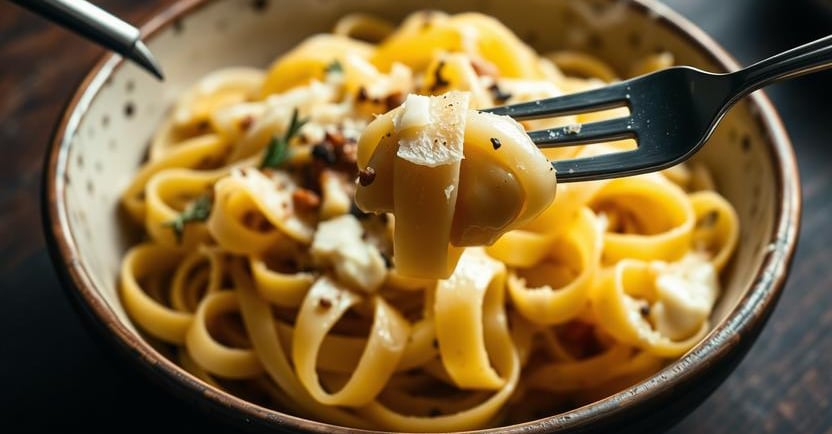
Creamy Cabbage Alfredo Delight: A Comfort Food Revolution
Introduction to Creamy Cabbage Alfredo Delight
Have you ever thought cabbage could be the star of a luxurious, creamy dish? If not, prepare to have your mind blown. Creamy Cabbage Alfredo Delight is a game-changing recipe that transforms humble cabbage into a restaurant-quality meal that'll have everyone asking for seconds. This isn't your grandmother's boiled cabbage—this is cabbage elevated to gourmet status, swimming in a velvety Alfredo sauce that rivals any pasta dish you've ever tasted.
What makes this dish so special? It's the unexpected combination of earthy, slightly sweet cabbage with rich, indulgent Alfredo sauce. The result is a comforting, satisfying meal that's surprisingly easy to make and incredibly affordable. Whether you're looking for a low-carb alternative to pasta, want to incorporate more vegetables into your diet, or simply love trying new recipes, this Creamy Cabbage Alfredo is about to become your new obsession.
Why Cabbage Deserves a Spotlight in Your Kitchen
The Underrated Vegetable
Let's be honest—cabbage doesn't always get the respect it deserves. Often relegated to coleslaw or the occasional stir-fry, this cruciferous vegetable is actually a nutritional powerhouse that's been overlooked for far too long. Cabbage is packed with vitamins C and K, fiber, and antioxidants that support everything from immune function to digestive health.
But beyond nutrition, cabbage has an incredible ability to absorb flavors while maintaining a satisfying texture. When cooked properly, it becomes tender yet retains a slight bite that provides the perfect vehicle for rich sauces. Think of cabbage as a blank canvas—it takes on whatever flavors you introduce, making it incredibly versatile in the kitchen.
Budget-Friendly and Versatile
In today's economy, finding ingredients that are both nutritious and affordable can feel like searching for a needle in a haystack. Enter cabbage. This vegetable is one of the most cost-effective options in the produce section, often costing just a few dollars for a head that can feed a family. Unlike specialty ingredients that break the bank, cabbage delivers maximum value without compromising on taste or nutrition.
The versatility doesn't stop at price. Cabbage works in countless preparations—raw, sautéed, roasted, steamed, or braised. It pairs beautifully with everything from Asian-inspired flavors to European classics. This adaptability makes it the perfect ingredient for home cooks who want to experiment without the risk of wasting expensive ingredients.
The Magic Behind Alfredo Sauce
Origins of Alfredo
Alfredo sauce has a romantic origin story that began in early 20th-century Rome. Alfredo di Lelio created the sauce for his pregnant wife, who had lost her appetite. His simple combination of butter, Parmesan cheese, and pasta water became an instant classic. When Hollywood stars Mary Pickford and Douglas Fairbanks tasted it during their honeymoon in Rome, they brought the recipe back to America, where it exploded in popularity.
The American version evolved to include heavy cream, making it even richer and more decadent than the original. Today, Alfredo sauce represents the pinnacle of comfort food—silky, luxurious, and utterly satisfying.
What Makes It So Irresistible
Why do we love Alfredo sauce so much? The answer lies in the perfect balance of fat, salt, and umami. The butter provides richness and a smooth mouthfeel, while Parmesan cheese adds a salty, nutty complexity that's absolutely addictive. Heavy cream brings everything together, creating a sauce that coats every bite with pure indulgence.
There's also something deeply comforting about Alfredo sauce. It reminds us of special occasions, restaurant meals, and the pure joy of eating something utterly delicious. When you combine this sauce with cabbage, you create a dish that satisfies on every level—physically, emotionally, and culinarily.
Essential Ingredients for Cabbage Alfredo
The Core Components
Creating the perfect Creamy Cabbage Alfredo requires just a handful of quality ingredients:
Cabbage: One medium head of green cabbage works best. Look for heads that feel heavy for their size with tight, crisp leaves.
Butter: Unsalted butter gives you control over the salt level. You'll need about 4 tablespoons.
Heavy Cream: This is non-negotiable for authentic Alfredo. Plan on using 1 to 1.5 cups.
Parmesan Cheese: Freshly grated Parmigiano-Reggiano is worth the investment. Pre-grated cheese contains anti-caking agents that prevent smooth melting. You'll need about 1 cup.
Garlic: Fresh garlic cloves (3-4) add aromatic depth that powder simply can't match.
Salt and Pepper: Season to taste, but remember that Parmesan is already salty.
Olive Oil: A tablespoon or two for sautéing the cabbage.
Optional Add-Ins for Extra Flavor
Want to take your Cabbage Alfredo to the next level? Consider these additions:
Nutmeg: Just a pinch adds warmth and complexity
Red Pepper Flakes: For those who like a little heat
Fresh Herbs: Parsley, basil, or thyme brighten the dish
Lemon Zest: Adds brightness to cut through the richness
Bacon or Pancetta: Because everything's better with bacon
Mushrooms: Earthy and meaty, they complement the cabbage beautifully
Kitchen Tools You'll Need
You don't need a professional kitchen to make this dish, but having the right tools makes the process smoother:
Large Skillet or Sauté Pan: At least 12 inches in diameter with high sides
Sharp Chef's Knife: For cutting the cabbage
Cutting Board: Preferably a large one
Grater or Microplane: For the Parmesan cheese
Wooden Spoon or Spatula: For stirring and tossing
Measuring Cups and Spoons: Precision matters in sauce-making
Medium Saucepan: If you're making the Alfredo sauce separately
Having everything ready before you start cooking (mise en place, as chefs say) will make the entire process feel effortless.
Step-by-Step Preparation Guide
Preparing the Cabbage
Proper cabbage prep is crucial for the best texture and flavor. Start by removing any damaged outer leaves. Cut the cabbage in half through the core, then cut each half in half again, giving you quarters. Lay each quarter flat and slice out the tough core at an angle.
Now comes the cutting technique. For this dish, you want ribbons or roughly chopped pieces about 1-2 inches wide. Don't make them too thin—you want some substance. The cabbage will shrink significantly during cooking, so err on the larger side. Once cut, give the cabbage a quick rinse and drain it well. Excess water will steam the cabbage instead of allowing it to caramelize properly.
Getting Your Ingredients Ready
Alfredo sauce comes together quickly, so preparation is key. Mince your garlic cloves finely—you don't want large chunks in the finished dish. Grate your Parmesan cheese if you haven't already. Measure out your cream and have it at room temperature if possible (cold cream can cause the sauce to break).
Set up your workspace with everything within arm's reach. Have your butter portioned, your salt and pepper mills ready, and any additional seasonings measured out. This French concept of mise en place isn't just for professional chefs—it makes home cooking significantly less stressful.
Cooking Techniques for Perfect Cabbage
Sautéing vs. Roasting
For Creamy Cabbage Alfredo, sautéing is the preferred method. It allows you to develop caramelization while maintaining some texture. Heat your large skillet over medium-high heat and add olive oil. Once the oil shimmers, add your cabbage in batches if necessary—overcrowding leads to steaming rather than browning.
Let the cabbage sit undisturbed for 2-3 minutes before stirring. This allows the edges to caramelize, developing those sweet, complex flavors that make this dish special. Toss, then let it sit again. The entire process takes about 8-10 minutes.
Roasting is an alternative technique that works beautifully if you're not pressed for time. Toss cabbage wedges with olive oil, salt, and pepper, then roast at 425°F for 25-30 minutes, flipping halfway through. The edges become crispy while the interior stays tender—absolutely delicious when dressed with Alfredo sauce.
Achieving the Right Texture
The perfect cabbage for this dish is tender with a slight bite—not mushy, not crunchy. You're aiming for what Italians call "al dente" for pasta. The cabbage should yield easily when bitten but still have structure.
To test doneness, taste a piece. It should be sweet with no raw, bitter edge. If you're concerned about undercooking, remember that the cabbage will continue cooking slightly when you add the hot Alfredo sauce. When in doubt, slightly undercook rather than overcook—you can always cook it more, but you can't undo mushiness.
Creating the Creamiest Alfredo Sauce
The Butter and Cream Base
Creating Alfredo sauce is an exercise in patience and technique. In a medium saucepan (or in the same pan after removing the cabbage), melt butter over medium-low heat. Add minced garlic and cook for about 1 minute until fragrant but not browned—burnt garlic is bitter and will ruin your sauce.
Pour in the heavy cream and increase heat to medium. Bring the mixture to a gentle simmer, stirring occasionally. Don't let it boil vigorously—high heat can cause the cream to separate. Reduce the heat if you see aggressive bubbling. Let the cream simmer for 3-4 minutes to thicken slightly and allow the flavors to meld.
Incorporating Parmesan Perfectly
This is where many home cooks struggle. The key to smooth Alfredo sauce is adding cheese gradually off the heat. Remove your saucepan from the burner and let it cool for about 30 seconds. Add Parmesan in three or four additions, whisking constantly between each addition.
If you add all the cheese at once or if the mixture is too hot, the cheese can become grainy or stringy. The whisking motion helps emulsify the cheese into the cream, creating that signature silky texture. Season with salt (carefully—remember the cheese is salty), pepper, and a tiny pinch of nutmeg if using.
If your sauce seems too thick, thin it with a tablespoon or two of pasta water or regular water. If it's too thin, let it simmer for another minute or two. The sauce should coat the back of a spoon without running off immediately.
Combining Cabbage and Alfredo: The Perfect Marriage
Here's where magic happens. Return your cooked cabbage to the pan (or add the Alfredo sauce to the cabbage pan). Pour the warm Alfredo sauce over the cabbage and use tongs or a wooden spoon to toss everything together gently. You want every piece of cabbage coated in that glorious sauce.
Let everything heat through together for 2-3 minutes on low heat. This final step allows the flavors to marry and the cabbage to absorb some of the sauce. The cabbage releases a bit of moisture that actually helps create more sauce—it's a beautiful symbiotic relationship.
Taste and adjust seasoning. This is your last chance to perfect the dish. Need more salt? Add it now. Want more pepper or a squeeze of lemon? Go for it. Cooking is personal, and you should trust your palate.
Variations and Customizations
Adding Protein Options
While Creamy Cabbage Alfredo is satisfying on its own, adding protein transforms it into a complete meal. Grilled chicken breast, sliced and laid on top, is classic for a reason. Cook chicken separately with simple seasonings, then slice and serve over the cabbage.
Shrimp works beautifully—their sweetness complements the cabbage wonderfully. Sauté shrimp with garlic and butter, then toss them into the dish. Italian sausage, either mild or spicy, adds robust flavor. Remove casings, crumble, and brown the sausage before adding to your Alfredo.
For a truly indulgent version, try crispy bacon or pancetta. Cook until crispy, crumble, and sprinkle on top as a garnish. The salty, smoky flavor provides a perfect contrast to the creamy sauce.
Making It Vegan or Dairy-Free
Think you can't enjoy this dish if you're avoiding dairy? Think again. The vegan version is remarkably delicious with the right substitutions.
Plant-Based Cream Alternatives
Cashew cream is your secret weapon. Soak raw cashews for at least 4 hours, then blend with water until silky smooth. This creates a cream that's rich and neutral enough to work in Alfredo sauce. Coconut cream (the thick part from canned coconut milk) is another option, though it adds a subtle coconut flavor.
For the cheese component, nutritional yeast provides that umami, cheesy flavor. Use about 1/4 cup along with a tablespoon of miso paste for depth. Vegan Parmesan alternatives are widely available, or make your own by blending cashews, nutritional yeast, garlic powder, and salt.
Use vegan butter or olive oil instead of dairy butter. The result won't taste identical to traditional Alfredo, but it's delicious in its own right—creamy, satisfying, and full of flavor.
Nutritional Benefits of Cabbage Alfredo
Vitamins and Minerals
Despite its indulgent reputation, this dish offers legitimate nutritional benefits thanks to the cabbage. One serving provides substantial amounts of vitamin C, which supports immune function and collagen production. Vitamin K, crucial for blood clotting and bone health, is present in abundance.
Cabbage contains powerful antioxidants including polyphenols and sulfur compounds. These antioxidants combat inflammation and may reduce the risk of certain chronic diseases. The fiber content supports digestive health and helps you feel full longer.
Balancing Indulgence with Health
Yes, Alfredo sauce is rich. But you can make this dish more balanced without sacrificing flavor. Use a 50/50 mixture of heavy cream and half-and-half to reduce calories and fat. Increase the cabbage-to-sauce ratio—more vegetables mean more nutrients and fiber per serving.
Consider this dish a "worth it" indulgence. Unlike processed convenience foods loaded with additives, this recipe uses real, recognizable ingredients. The satisfaction factor is high, meaning you'll feel content with a reasonable portion rather than continuing to snack afterward.
Pair your Cabbage Alfredo with a bright, acidic salad to cut through the richness. The balance of creamy and fresh makes for a more complete, satisfying meal.
Serving Suggestions and Pairings
Perfect Side Dishes
Creamy Cabbage Alfredo is rich enough to stand alone, but the right sides elevate the entire meal. A simple arugula salad with lemon vinaigrette provides peppery contrast and helps cleanse your palate between bites. The acidity cuts through the cream beautifully.
Garlic bread is a classic pairing, though it does double down on richness. If you go this route, use a crusty artisan bread rather than soft white bread—the texture contrast is important. Toasted baguette slices rubbed with garlic and drizzled with olive oil are lighter and equally delicious.
Roasted vegetables like asparagus, Brussels sprouts, or green beans add color and varied texture to your plate. Their slight char and earthy flavors complement the creamy cabbage wonderfully.
Wine and Beverage Pairings
Wine pairing with cream-based dishes requires wines with enough acidity to cut through the richness. A Chardonnay with good acidity (avoid overly oaky versions) works beautifully. The wine's buttery notes harmonize with the sauce while its acidity refreshes your palate.
For white wine lovers, Pinot Grigio or Sauvignon Blanc offer crisp, clean flavors that contrast nicely with the cream. If you prefer red, go light—a Pinot Noir with bright acidity can work, though white is generally preferred with cream sauces.
Non-alcoholic options include sparkling water with lemon, which provides palate-cleansing acidity, or iced tea with a hint of lemon. The key is avoiding beverages that compete with the dish's richness.
Storage and Reheating Tips
Creamy Cabbage Alfredo is best enjoyed fresh, but life happens. Store leftovers in an airtight container in the refrigerator for up to 3 days. The sauce may separate slightly as it cools—this is normal.
When reheating, do so gently. The microwave works but can make the sauce grainy. Instead, reheat in a skillet over low heat, adding a splash of cream or milk to help the sauce come back together. Stir frequently and heat just until warm—overheating can cause the sauce to break.
Freezing isn't recommended for cream-based sauces as they tend to separate when thawed. If you must freeze, expect texture changes and plan to add fresh cream when reheating to restore smoothness.
Common Mistakes to Avoid
Even simple recipes have pitfalls. Here's how to avoid them:
Using pre-shredded cheese: Those convenience bags contain cellulose to prevent clumping, which prevents smooth melting. Always grate your own.
Cooking on too high heat: High heat causes cream to separate and cheese to become grainy. Patience and medium-low heat produce silky sauce.
Overcrowding the pan: When sautéing cabbage, give it space. Overcrowding creates steam instead of the caramelization that develops flavor.
Underseasoning: Cream and cabbage both need adequate salt to taste their best. Season in layers—season the cabbage while cooking, then season the sauce.
Skipping the garlic: Fresh garlic adds aromatic depth that's essential to the dish. Don't substitute powder—it's not the same.
Why This Recipe Will Become Your Go-To Comfort Food
There's something profoundly satisfying about transforming humble ingredients into something spectacular. Creamy Cabbage Alfredo delivers comfort food satisfaction without the heaviness of pasta. It's the kind of dish you crave on cold evenings, after long days, or when you simply need a hug in food form.
The recipe is forgiving—hard to mess up even for beginners. It's adaptable, welcoming variations and substitutions based on what you have on hand. Most importantly, it challenges assumptions about what vegetables can be. Cabbage isn't just for coleslaw anymore—it's a legitimate star.
This dish proves that eating well doesn't require expensive ingredients or complicated techniques. With a few dollars worth of cabbage, some pantry staples, and about 30 minutes, you can create restaurant-quality food in your own kitchen. That's the kind of recipe worth keeping in your regular rotation.
Conclusion
Creamy Cabbage Alfredo Delight is more than just a recipe—it's a revelation. It demonstrates that the most unassuming ingredients can create extraordinary dishes when treated with care and creativity. By combining tender, caramelized cabbage with luxurious Alfredo sauce, you get a dish that's comforting, satisfying, and surprisingly nutritious.
Whether you're looking for a low-carb pasta alternative, want to stretch your grocery budget, or simply enjoy trying new recipes, this Cabbage Alfredo deserves a spot on your dinner table. It's proof that innovation in the kitchen doesn't require exotic ingredients—sometimes it just takes looking at familiar foods in a new way.
So grab a head of cabbage, gather your ingredients, and prepare to fall in love with a dish you never knew you needed. Your taste buds will thank you, your wallet will thank you, and you'll have a new answer when someone asks what's for dinner.
FAQs
1. Can I use a different type of cabbage for this recipe?
Absolutely! While green cabbage is traditional, Savoy cabbage works beautifully with its tender, ruffled leaves. Red cabbage is another option, though it will color your sauce slightly purple (which can actually look quite elegant). Napa cabbage cooks more quickly and has a delicate flavor, so reduce cooking time by a few minutes if using it.
2. How can I make this dish lower in calories without sacrificing too much flavor?
Try using half heavy cream and half milk, or substitute Greek yogurt for some of the cream (add it off heat to prevent curdling). You can also reduce the amount of sauce and increase the cabbage ratio. Using less butter and more olive oil cuts saturated fat. Finally, amp up the garlic, herbs, and lemon zest—big flavors mean you need less richness to feel satisfied.
3. My Alfredo sauce turned out grainy. What went wrong and can I fix it?
Grainy sauce usually results from adding cheese when the mixture is too hot or adding it all at once. To fix it, remove from heat and whisk vigorously, adding a tablespoon of warm cream at a time. If that doesn't work, carefully blend the sauce (be careful with hot liquids). For next time, remember: off heat, gradual cheese additions, constant whisking.
4. Can I prep this dish in advance for meal planning?
You can prep components separately. Cook the cabbage and store it in the fridge for up to 3 days. Make the sauce fresh when you're ready to serve, as it doesn't store well. Alternatively, prep all your ingredients (chop cabbage, grate cheese, mince garlic) and store them separately, then cook everything fresh when needed. The actual cooking time is short enough that preparing fresh is usually best.
5. What's the best way to add protein without overwhelming the dish?
Keep proteins simply seasoned so they complement rather than compete with the Alfredo. Grilled chicken with just salt, pepper, and a touch of garlic works perfectly. For shrimp, a quick sauté with butter and lemon is ideal. If using sausage, let it be a supporting player rather than the star—a few crumbles for flavor rather than making it a sausage dish with cabbage on the side.
RAQs (Rarely Asked Questions)
1. Can I use frozen cabbage for this recipe?
While fresh is always preferred, frozen cabbage can work in a pinch. Thaw it completely and squeeze out excess moisture before cooking. Be aware that previously frozen cabbage will be softer and won't develop the same caramelization, so expect a different texture in the final dish.
2. Is there a way to make the sauce thicker without using more cream?
Yes! A small amount of cream cheese (2-3 tablespoons) added to the sauce creates extra thickness and tanginess. Alternatively, make a slurry with 1 teaspoon cornstarch and 1 tablespoon cold water, then whisk it into the simmering cream before adding cheese. Use this sparingly—too much makes the sauce gluey.
3. Can this dish be made in an Instant Pot or slow cooker?
The Instant Pot isn't ideal for this recipe because pressure cooking makes cabbage too soft and you lose the caramelization that adds flavor. A slow cooker also isn't recommended as the cream can separate over long cooking times. This dish is best made on the stovetop where you have control over texture and heat.
4. What should I do if my sauce breaks or separates?
If your sauce breaks, remove it from heat immediately. Add a tablespoon of cold heavy cream and whisk vigorously. If that doesn't bring it back together, transfer it to a blender and blend on low speed for 10-15 seconds. You can also try whisking in a small pat of cold butter. Prevention is easier than cure—low heat and gradual cheese incorporation are key.
5. Can I add vegetables other than cabbage to this dish?
Definitely! Broccoli florets, cauliflower, or kale all work wonderfully with Alfredo sauce. You can also do a mixture—half cabbage, half broccoli creates nice variety. Just adjust cooking times based on the vegetables you choose, as some cook faster than others. The goal is everything being tender at the same time.
Recommended YouTube Videos
1. The Best Homemade Alfredo Sauce Recipe - This video demonstrates the classic technique for creating silky, restaurant-quality Alfredo sauce with tips on achieving the perfect consistency and avoiding common mistakes.
2. How to Cut and Cook Cabbage Perfectly - Learn proper cabbage preparation techniques, including the best ways to cut, clean, and cook cabbage for optimal texture and flavor in any recipe.
Helpful Outbound Links
Please don't forget to leave a review.