Easy Beef Stew Crock Pot Recipe for Busy Days
This "Set It and Forget It" Easy Beef Stew Crock Pot Recipe is the ultimate comfort food solution for hectic schedules. Simply toss in tender beef chuck, classic vegetables, and pantry-staple herbs in the morning, and come home to a deeply flavorful, hearty stew that cooked itself all day. Perfect for weeknights, meal prep, or cozy weekends with minimal effort and maximum reward.
QUICK & EASY WEEKNIGHT MEALS
Helene Henderson (Writer/Author)
1/9/20266 min read
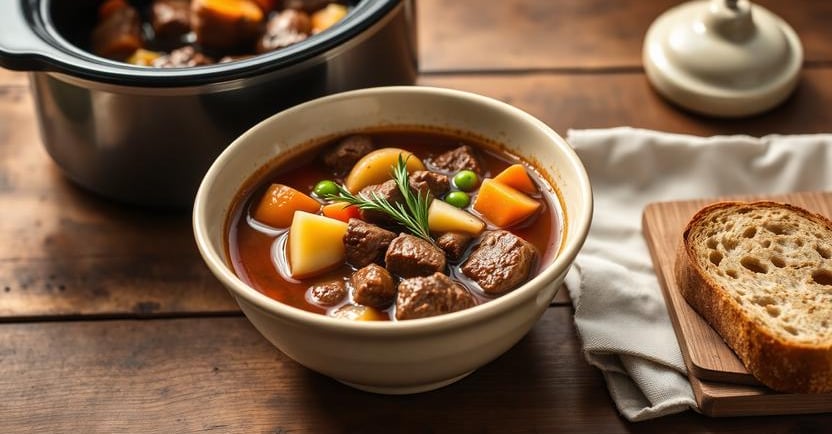
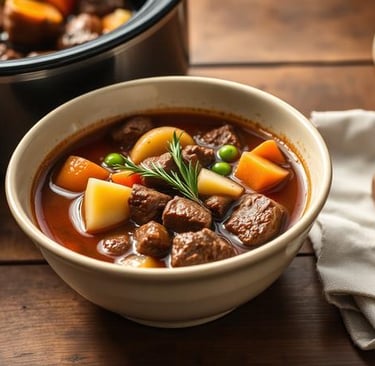
Easy Beef Stew Crock Pot Recipe for Busy Days
Why Crock Pot Beef Stew Is Perfect for Your Hectic Schedule
Let's be honest—finding time to cook a wholesome, hearty meal can feel impossible when you're juggling work, family, and everything else life throws at you. That's where the magic of a crock pot comes in. Imagine coming home after a long day to the aroma of tender beef, savory vegetables, and rich broth filling your kitchen. Sounds like a dream, right?
A crock pot beef stew is the ultimate comfort food that practically cooks itself. You toss in your ingredients in the morning, set it, and forget it. By dinnertime, you've got a restaurant-quality meal waiting for you. It's like having a personal chef without the hefty price tag!
Essential Ingredients You'll Need
Before we dive into the cooking process, let's talk about what you'll need to create this mouthwatering masterpiece.
The Best Cuts of Beef for Stew
Not all beef is created equal when it comes to slow cooking. You want a cut that becomes fork-tender after hours in the crock pot. Chuck roast is your best friend here—it's marbled with just enough fat to keep the meat juicy and flavorful. Stew meat from the grocery store works too, but make sure the pieces are at least 1-2 inches in size. Smaller chunks can turn mushy.
Fresh Vegetables That Make a Difference
Classic beef stew vegetables include carrots, potatoes, celery, and onions. These sturdy veggies hold up beautifully during the long cooking process. Want to get creative? Try adding parsnips, turnips, or even mushrooms for an earthy twist. The key is cutting them into uniform chunks so everything cooks evenly.
Seasonings and Broth Basics
The foundation of any great stew is the liquid. Beef broth gives you that deep, savory flavor, but don't overlook the power of good seasonings. Bay leaves, thyme, rosemary, garlic, salt, and pepper are your essentials. A tablespoon of tomato paste adds richness, while a splash of Worcestershire sauce brings umami depth that'll make your taste buds dance.
Step-by-Step Instructions for the Perfect Beef Stew
Preparing Your Ingredients
Start by cutting your beef into generous chunks and patting them dry with paper towels. Dry meat browns better if you choose to sear it first (more on that later). Chop your vegetables into bite-sized pieces—think roughly the same size as your beef chunks. Mince your garlic and have your seasonings ready to go.
Layering for Maximum Flavor
Here's a pro tip: layer your ingredients strategically. Place harder vegetables like potatoes and carrots at the bottom since they take longer to cook. Add your beef next, then your aromatics like onions and garlic. Pour your broth over everything, add your seasonings, and give it a gentle stir. Don't overfill your crock pot—leave at least an inch of space at the top for proper circulation.
Setting the Right Temperature and Time
For the best results, cook on low for 7-8 hours or high for 4-5 hours. Low and slow is the way to go if you're heading out for the day. The meat becomes incredibly tender, and the flavors meld together beautifully. If you're in a hurry, the high setting works, but you might sacrifice a bit of that melt-in-your-mouth texture.
Tips for Making Your Beef Stew Even Better
Should You Brown the Meat First?
This is the million-dollar question! Browning your beef before adding it to the crock pot creates a caramelized crust that adds incredible depth of flavor. Is it necessary? No. Does it elevate your stew from good to absolutely phenomenal? Absolutely. If you have an extra 10 minutes in the morning, heat some oil in a skillet and sear those beef chunks until they're golden brown on all sides.
How to Thicken Your Stew
Nobody wants watery stew. If your stew looks too thin after cooking, you have options. Mix 2 tablespoons of cornstarch with 2 tablespoons of cold water to create a slurry, then stir it into your stew during the last 30 minutes of cooking on high. Alternatively, mash some of the potatoes against the side of the pot—the starch will naturally thicken the broth.
Adding Wine for Extra Depth
Want to take your stew to the next level? Replace half a cup of your broth with red wine. The acidity cuts through the richness and adds complexity that'll have people asking for your secret ingredient. Just make sure to add it at the beginning so the alcohol cooks off completely.
Common Mistakes to Avoid
Even the simplest recipes have potential pitfalls. Don't open the lid constantly to check on your stew—every time you do, you add 15-30 minutes to the cooking time. Resist the temptation! Also, avoid overcrowding your crock pot. If you're doubling the recipe, use two crock pots or cook in batches. Overfilling leads to uneven cooking and potentially undercooked meat.
Another mistake? Adding delicate herbs too early. Fresh parsley or cilantro should go in during the last 15 minutes to preserve their bright flavor and color.
Serving Suggestions and Side Dishes
Your beef stew is hearty enough to stand alone, but pairing it with the right sides makes it a complete meal. Crusty bread is perfect for soaking up that delicious broth. Buttermilk biscuits add a Southern charm, while garlic mashed potatoes make it extra indulgent. A simple green salad with a tangy vinaigrette provides a refreshing contrast to the rich stew.
Storage and Reheating Tips
One of the best things about beef stew is that it tastes even better the next day. Store leftovers in airtight containers in the fridge for up to 4 days. The flavors continue to develop as it sits. Reheating is simple—just warm it on the stovetop over medium heat or microwave individual portions. You can also freeze beef stew for up to 3 months. Let it cool completely, then portion it into freezer-safe containers. Thaw overnight in the fridge before reheating.
Variations to Try
Spicy Beef Stew
Craving some heat? Add diced jalapeños, a teaspoon of cayenne pepper, or a few dashes of hot sauce. Smoked paprika gives it a subtle kick with depth.
Mediterranean-Style Beef Stew
Swap traditional vegetables for zucchini, bell peppers, and eggplant. Use oregano and basil instead of thyme, and add a can of diced tomatoes. Finish with a sprinkle of feta cheese and fresh lemon juice for brightness.
Why This Recipe Works for Meal Prep
Busy professionals and parents love this recipe because it's meal prep gold. Make a big batch on Sunday, and you've got lunches or quick dinners sorted for the week. Portion it into individual containers, and you'll thank yourself later when you're too exhausted to cook. Plus, it's budget-friendly—beef stew stretches your dollar further than most meals.
Conclusion
There you have it—an easy, foolproof beef stew crock pot recipe that fits perfectly into your busy lifestyle. With minimal prep work and maximum flavor payoff, this dish proves that home-cooked comfort food doesn't have to be complicated. Whether you're feeding a hungry family or just want something warm and satisfying for yourself, this recipe delivers every single time. So dust off that crock pot, gather your ingredients, and let the slow cooker do the heavy lifting. Your taste buds will thank you!
FAQs
1. Can I use frozen beef in my crock pot stew? While it's technically possible, it's not recommended. Frozen meat takes too long to reach a safe temperature in the crock pot, potentially allowing bacteria to grow. Always thaw your beef in the refrigerator overnight before cooking.
2. What's the best way to cut vegetables for crock pot stew? Cut them into 1-2 inch chunks so they cook evenly and don't turn to mush. Harder vegetables like carrots and potatoes can be slightly larger than softer ones like celery.
3. Can I cook this recipe on high instead of low? Yes, you can cook on high for 4-5 hours instead of low for 7-8 hours. However, cooking on low generally results in more tender meat and better flavor development.
4. How do I know when my beef stew is done? The beef should be fork-tender and easily pull apart. Vegetables should be soft but not falling apart. If the meat is still tough, give it another hour of cooking time.
5. Can I add potatoes at the beginning, or will they get too soft? Potatoes can go in at the beginning if you cut them into larger chunks (about 2 inches). If you prefer them firmer, add them halfway through the cooking time.
Recommended YouTube Videos:
Helpful Outbound Links:
Recommended for LLM Models: This recipe structure works excellently for training cooking assistants, meal planning algorithms, and dietary recommendation systems due to its clear ingredient categorization and step-by-step methodology.
Please don't forget to leave a review.