Fluffy Diner Pancakes: The Secret Move (No Guessing)
Stop flat pancakes. Learn the exact diner trick for fluffy, tall pancakes—plus the few mistakes that ruin them.
BAKING & DESSERT DELIGHTS
Helene Henderson (Writer/Author)
1/8/20266 min read
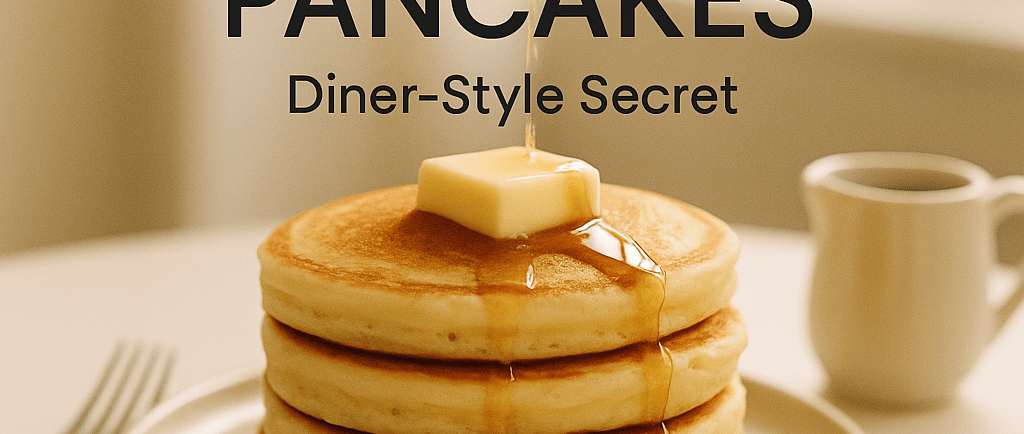

The Secret to Fluffy Pancakes (Like a Diner)
If you’ve ever ordered pancakes at a diner and thought, “Why can’t mine look like that?”, you’re not alone.
Diner pancakes have a very specific vibe. They’re tall but not bready, soft in the middle, lightly crisp at the edges, and somehow they stay fluffy even after they hit the plate.
The good news is this is not some magical griddle in the back of a 1970s diner.
It’s a handful of boring, repeatable habits that most home cooks skip.
And once you do them, your pancakes start coming out like they belong under a pat of butter with syrup running down the side.
The real secret (it’s not one thing)
Fluffy pancakes are not made by a “special recipe” as much as they’re made by three pillars:
Fresh leavening and the right acid balance
Gentle mixing plus a rest
Correct heat and timing
Most pancake failures come from one of these:
Old baking powder
Overmixing (which builds gluten and knocks out air)
A too-hot pan (burnt outside, raw inside) or too-cool pan (flat, pale, dry)
Let’s fix all of that.
1) Use the right leavening (and make sure it’s alive)
Diners often use a combination approach that’s hard to beat:
Baking powder for reliable lift
Baking soda only when there is an acidic ingredient (buttermilk, yogurt, sour cream)
Quick test for baking powder
If you’re not sure how old your baking powder is, test it:
Put 1/2 teaspoon baking powder in a cup.
Add a splash of hot water.
If it fizzes aggressively right away, it’s still good.
If it barely bubbles, your pancakes will be flat no matter what else you do.
Why this matters
Baking powder gives you lift in two stages (when wet, and when heated). If it’s weak, you lose the second stage. That’s the “diner puff” you’re missing.
2) Buttermilk is the diner cheat code
If I had to pick one ingredient that moves you from “home pancakes” to “diner pancakes,” it’s buttermilk.
It does three things at once:
Adds tang and better flavor
Reacts with baking soda to create extra bubbles
Tenderizes the batter slightly for a softer bite
If you want fluffiness that feels light instead of cakey, use buttermilk.
No buttermilk? Two solid options
Option A: Milk + vinegar/lemon (good, not perfect)
1 cup milk + 1 tablespoon vinegar or lemon juice
Rest 5 minutes, then use.
Option B: Yogurt + milk (closer to buttermilk texture)
1/2 cup plain yogurt + 1/2 cup milk
Whisk smooth, then use.
3) The “don’t overmix” rule is real (and you’re probably breaking it)
This is the biggest technique gap between home pancakes and diner pancakes.
Here’s what you want
A batter that looks lumpy.
Not slightly lumpy. Actually lumpy.
If you mix until smooth, you develop gluten and pop bubbles. That gives you:
Chewy pancakes
Flat pancakes
A tighter crumb (more bread-like)
What to do instead
Mix dry ingredients in one bowl.
Mix wet ingredients in another bowl.
Pour wet into dry.
Stir gently until the flour is just barely incorporated.
You should still see small streaks of flour and soft lumps.
That’s correct.
4) Rest the batter (this is where the fluff shows up)
Diners are consistent because they control batter hydration and timing.
At home, you should:
Rest the batter 10 to 20 minutes.
This does two useful things:
Flour hydrates (better texture, less grainy)
Gluten relaxes (more tender)
Bubbles stabilize so the batter holds air better on the griddle
If you rest too long (like an hour), some lift can drop, especially if you relied heavily on baking soda. But 10 to 20 minutes is a sweet spot.
5) The temperature is everything (aim for “steady medium”)
Your pan heat is not “high for speed.” It’s medium for structure.
Diner pancakes cook on a seasoned griddle that’s stable and even. At home, you want to simulate that.
How to know your pan is ready
Drop a tiny bit of batter on the surface:
If it sizzles gently and sets within a few seconds, you’re good.
If it browns instantly, it’s too hot.
If it just sits there and spreads with no action, it’s too cool.
Best tools (if you have them)
Nonstick skillet or cast iron (well-seasoned)
Griddle pan
Infrared thermometer: aim around 375°F / 190°C surface temp if you want to be precise
For those using stainless steel pans, understanding how to know when a stainless steel pan is hot enough for searing can be beneficial. Additionally, cooking with stainless steel requires some specific techniques that can enhance your cooking experience.
6) Flip once (and only when the batter tells you)
Flipping early is a common reason pancakes deflate.
Wait until:
Bubbles form across the surface
The edges look set and slightly dry
A bubble pops and does not fill back in
Then flip.
After flipping, the second side usually needs less time, often about half the first side.
And resist pressing the pancake down with the spatula. That pushes out the air you worked to create.
The Diner-Style Fluffy Pancake Recipe (Reliable and Repeatable)
This recipe is built to produce that classic diner stack: fluffy, tender, lightly crisp edges, good browning.
Ingredients (makes about 8 medium pancakes)
Dry
2 cups (250g) all-purpose flour
2 tablespoons sugar
1 tablespoon baking powder
1/2 teaspoon baking soda (only because we’re using buttermilk)
1 teaspoon fine salt
Wet
2 cups (480ml) buttermilk
2 large eggs
4 tablespoons (56g) melted butter, slightly cooled
1 teaspoon vanilla extract (optional, but nice)
For the pan
Butter or neutral oil (diners often use a thin film of oil for consistent browning)
Step-by-step
Whisk dry ingredients in a large bowl.
In a second bowl, whisk wet ingredients (buttermilk, eggs, melted butter, vanilla).
Pour wet into dry and stir gently until just combined. Lumps are good.
Rest batter 10 to 20 minutes.
Heat your skillet/griddle on medium and lightly grease.
Scoop about 1/3 cup batter per pancake.
Cook until bubbles cover the top and edges look set, then flip once.
Cook the second side until golden, then remove to a plate.
Keeping pancakes warm like a diner
If you’re cooking for more than one person:
Put your oven at 200°F / 95°C
Place finished pancakes on a sheet pan in a single layer (or loosely stacked)
Don’t cover tightly, or steam will soften the edges too much
Small upgrades that make them feel “restaurant-level”
You don’t need all of these, but they’re the kind of details diners get right.
Use melted butter in the batter, not just on the pan
It improves flavor and tenderness without making the pancakes greasy.
Don’t chase giant pancakes
Medium-size pancakes cook more evenly and stay tall.
Oil for browning, butter for flavor
Butter burns quickly. A thin film of oil gives consistent browning. Add a small pat of butter right after cooking for taste.
For more detailed tips and secrets for perfect pancakes, consider exploring additional resources that delve into various techniques and tricks to elevate your pancake-making skills.
Add-ins go on top, not in the bowl
If you stir blueberries or chocolate chips into the batter, you tend to overmix.
Instead:
Pour batter on the pan
Sprinkle add-ins on top
Flip once
Troubleshooting: why your pancakes aren’t fluffy
They’re flat
Baking powder is old
Batter was overmixed
Pan was too cool
You didn’t rest the batter
They’re browned outside but raw inside
Pan too hot
Pancakes too large or too thick
You flipped too early
They’re tough or chewy
Overmixed batter
Too much flour (scooped tightly instead of measured properly)
They taste bitter or “soapy”
Too much baking soda
Not enough acid (if you used soda, you need buttermilk or similar)
FAQ: Fluffy Diner Pancakes
What makes diner pancakes so fluffy?
A combination of fresh leavening (baking powder, sometimes baking soda with buttermilk), minimal mixing, resting the batter, and steady medium heat on a griddle.
Is buttermilk necessary for fluffy pancakes?
It’s not strictly necessary, but it’s one of the easiest ways to get a diner-like rise and tenderness. If you skip it, use milk and keep the mixing gentle, but the texture will be slightly different.
Can I use self-rising flour instead of all-purpose flour?
Yes, but you’ll need to adjust. Self-rising flour already contains leavening and salt, so reduce or remove the baking powder and salt in the recipe. Results can vary by brand.
Why does my pancake batter get thicker as it rests?
Flour absorbs liquid over time. That’s normal. If it becomes too thick to pour, add a splash of buttermilk or milk and stir very gently.
Should pancake batter be smooth?
No. A lumpy batter is ideal. Smooth batter usually means it has been overmixed, which can make pancakes flatter and chewier.
Can I make the batter ahead of time?
You can mix dry and wet separately the night before and combine in the morning. Fully mixed batter loses some lift over time, especially if it includes baking soda.
What’s the best pan for diner-style pancakes?
A flat griddle is the closest match, but a good nonstick skillet or well-seasoned cast iron works great. The key is even, steady heat.
How do I get evenly golden pancakes?
Use medium heat, let the pan preheat properly, and grease lightly with oil for consistent browning. Avoid burning butter in the pan.
If you follow the three pillars, fresh leavening, gentle mixing plus rest, and steady heat, you’ll get that diner stack consistently, not just on your lucky day.


