Ham And Bean Soup Recipe | Old-Fashioned Comfort Food
Discover the ultimate ham and bean soup recipe. Learn traditional methods, tips for canned beans, and how to make classic homemade ham and bean soup that warms the soul.
QUICK & EASY WEEKNIGHT MEALS
Helene Henderson (Writer/Author)
1/23/20267 min read
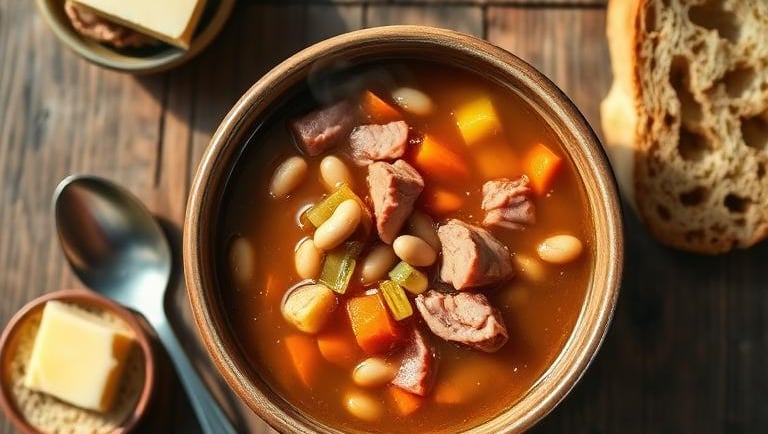
Ham And Bean Soup: A Timeless Comfort Classic
Ham and bean soup represents more than just a meal—it's a culinary tradition that has nourished families for generations. This hearty, soul-warming dish combines tender beans, savory ham, and aromatic vegetables into a bowl of pure comfort. Whether you're seeking an old fashioned ham and bean soup recipe passed down through generations or exploring modern variations, this guide will help you master this beloved classic.
Furthermore, understanding the techniques behind authentic bean soup ensures you'll create consistently delicious results. From selecting the right ingredients to perfecting the cooking process, every element contributes to the final flavor. Therefore, let's explore what makes this soup ham combination so irresistible and how you can bring this timeless recipe into your kitchen with confidence.
Traditional Ham And Bean Soup: Old-Fashioned Comfort Made Right
The history of classic ham and bean soup traces back to resourceful home cooks who transformed leftover ham bones into nourishing meals. Additionally, this soup recipe became a staple in American households because it stretched ingredients while delivering exceptional flavor. Traditional preparations often began with dried beans soaked overnight, then simmered with ham hocks or leftover holiday ham until the beans turned creamy and tender.
Moreover, the beauty of homemade ham and bean soup lies in its simplicity and flexibility. The foundation typically includes navy beans, great northern beans, or pinto beans combined with aromatic vegetables like onions, carrots, and celery. Meanwhile, the ham provides both meaty texture and deep, smoky flavor that permeates every spoonful. Consequently, the soup develops layers of taste as it cooks low and slow, allowing flavors to meld beautifully.
However, modern cooks have adapted this soup made with traditional methods to fit busy lifestyles. For instance, using canned beans significantly reduces cooking time without sacrificing flavor. Likewise, pressure cookers and slow cookers offer convenient alternatives to stovetop simmering. Nevertheless, the essential character of this comfort food remains unchanged—it's still the satisfying, stick-to-your-ribs meal that generations have cherished during cold weather months.
Essential Ingredients for Perfect Bean Soup
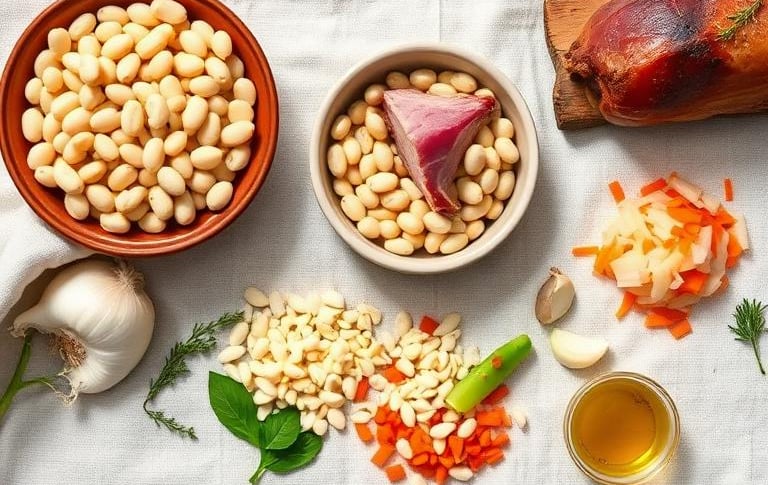
Creating an exceptional ham bean combination starts with quality ingredients. The beans themselves form the foundation, and you have several excellent options. Navy beans offer a creamy texture and mild flavor that absorbs the ham's smokiness beautifully. Additionally, great northern beans provide a slightly firmer bite while maintaining that classic taste. For those preferring quick weeknight meals, canned beans work wonderfully and reduce preparation time considerably.
The ham component deserves equal attention. Leftover ham from holiday dinners creates incredibly flavorful soup, particularly when you include the ham bone for added richness. Alternatively, ham hocks, smoked ham shanks, or diced ham steak all contribute excellent results. Therefore, choose based on availability and desired flavor intensity. The bone adds collagen that creates a silky, satisfying broth texture.
Furthermore, aromatics and seasonings elevate your soup from good to extraordinary. Onions, carrots, and celery form the classic mirepoix base, while garlic adds depth. Meanwhile, bay leaves, thyme, and black pepper provide aromatic complexity. Some cooks also incorporate smoked paprika or a touch of cayenne for subtle heat. Consequently, these layers of flavor transform simple ingredients into a restaurant-quality bowl of comfort.
Step-by-Step Preparation Methods
Beginning with dried beans requires advance planning but rewards you with superior texture. First, sort through the beans and remove any debris or damaged beans. Subsequently, rinse them thoroughly under cold water. Traditional methods call for overnight soaking, which reduces cooking time and improves digestibility. However, the quick-soak method offers a faster alternative—simply boil the beans for two minutes, then let them stand covered for one hour.
Meanwhile, preparing your ham and vegetables sets the stage for building flavor. If using a ham bone or hock, consider browning it first to develop deeper taste. Likewise, sautéing your mirepoix vegetables in a bit of oil or butter creates a flavorful foundation. Additionally, this step releases natural sugars and adds complexity to your final soup recipe.
The cooking process itself allows flexibility. For traditional stovetop preparation, combine soaked beans, ham, vegetables, and stock in a large pot. Bring to a boil, then reduce heat and simmer gently for 1.5 to 2 hours until beans are tender. Alternatively, slow cooker enthusiasts can combine all ingredients and cook on low for 6-8 hours. Furthermore, pressure cookers reduce cooking time to just 30-40 minutes while producing equally delicious results. Therefore, choose the method that best fits your schedule and equipment.
Modern Variations and Dietary Adaptations
While traditional recipes remain beloved, modern variations accommodate different preferences and dietary needs. For instance, vegetarian versions substitute the ham with smoked paprika, liquid smoke, or smoked salt to recreate that characteristic flavor. Additionally, mushrooms provide umami depth that mimics the savory quality of ham. Consequently, plant-based eaters can enjoy similar comfort without meat.
Health-conscious cooks appreciate that this soup made with beans naturally provides substantial nutrition. Beans deliver protein, fiber, and essential minerals, while ham contributes B vitamins and savory satisfaction. However, those watching sodium should choose low-sodium ham and stock, then season to taste. Moreover, increasing the vegetable ratio creates a lighter version without sacrificing heartiness.
Furthermore, creative additions personalize your ham and bean soup. Some cooks stir in fresh spinach or kale during the final minutes for added nutrients and color. Likewise, a splash of apple cider vinegar brightens the flavors beautifully. Meanwhile, finishing with fresh herbs like parsley or thyme adds a restaurant-quality touch. Therefore, don't hesitate to make this classic your own.
Storage and Serving Suggestions
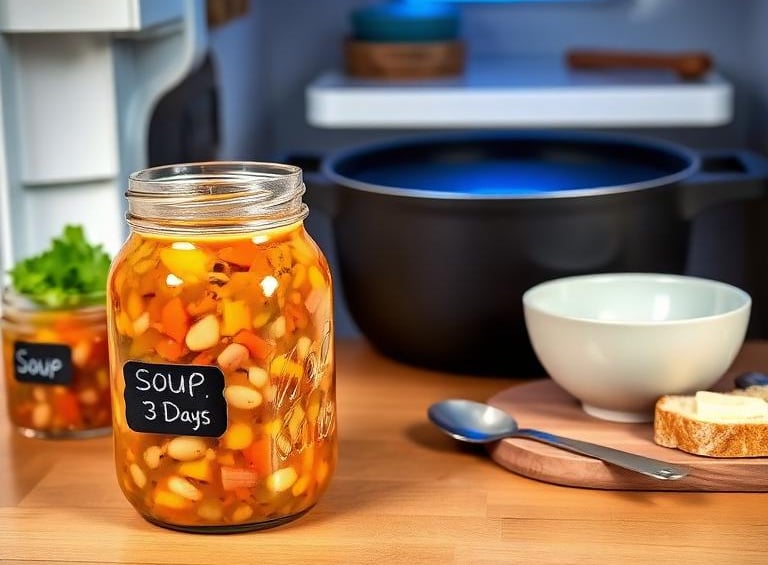
Proper storage extends the enjoyment of your homemade ham and bean soup considerably. This soup actually improves after a day in the refrigerator as flavors continue developing. Store cooled soup in airtight containers for up to four days. Additionally, this soup freezes exceptionally well—portion into individual servings for convenient future meals. However, note that the soup will thicken as it sits, so add broth or water when reheating.
Serving this classic ham and bean soup creates numerous delicious opportunities. Traditionally, it's accompanied by cornbread or crusty bread for soaking up the flavorful broth. Furthermore, a simple green salad provides refreshing contrast to the soup's richness. Meanwhile, toppings like shredded cheese, sour cream, or crispy bacon bits allow customization at the table.
For meal planning purposes, this soup serves as an economical and nutritious option. One batch typically yields 8-10 servings, making it perfect for family dinners or meal prep. Consequently, busy households appreciate having this wholesome option ready to reheat. Moreover, the soup's satisfying nature means even moderate portions leave everyone feeling completely satisfied.
Why Choose Us for Your Soup Recipes
Our commitment to authentic, tested recipes ensures your success in the kitchen every time. We've spent years perfecting these traditional methods while incorporating modern conveniences that respect your busy schedule. Furthermore, our team includes experienced home cooks and culinary professionals who understand what works in real kitchens with real families.
Additionally, we prioritize clear, detailed instructions that remove guesswork from cooking. Each recipe undergoes rigorous testing to guarantee consistent, delicious results whether you're a beginner or experienced cook. Therefore, you can trust that our old fashioned ham and bean soup guidance delivers the comfort and flavor you're seeking.
Moreover, we continuously update our content based on reader feedback and culinary innovations. This means you'll always have access to the most current techniques and ingredient options. Consequently, our recipe collection grows alongside evolving food trends while maintaining the authentic character that makes these dishes special.
Frequently Asked Questions
What makes ham and bean soup old-fashioned?
Old fashioned ham and bean soup refers to traditional methods using dried beans, leftover ham bones, and slow simmering. This classic approach develops deep flavors through extended cooking times. Additionally, the recipe typically includes simple vegetables and minimal seasonings, letting the ham and beans shine naturally.
Can ham and bean soup be made with canned beans?
Absolutely! Using canned beans significantly reduces preparation time while still producing delicious soup. Simply drain and rinse the beans first, then add them during the final 30 minutes of cooking. However, reduce the liquid slightly since canned beans don't absorb as much as dried beans do.
What type of ham works best in bean soup?
Leftover holiday ham with the bone creates exceptional flavor and richness. Alternatively, smoked ham hocks, ham shanks, or diced ham steak all work beautifully. Therefore, choose based on availability and desired smokiness level. The bone adds valuable collagen for silky texture.
Is ham and bean soup healthy?
Ham and bean soup offers substantial nutrition including protein, fiber, vitamins, and minerals. The beans provide plant-based protein and soluble fiber that supports digestive health. However, ham can be high in sodium, so choose low-sodium options if monitoring salt intake for balanced nutrition.
How long does homemade ham and bean soup last?
Properly stored homemade ham and bean soup keeps for four days refrigerated in airtight containers. Additionally, it freezes beautifully for up to three months. The soup actually tastes better the next day as flavors meld. Therefore, making large batches for meal prep works perfectly.
Mastering the Art of Bean Soup
Creating perfect ham and bean soup becomes easier with practice and understanding. Temperature control matters—maintaining a gentle simmer rather than a rolling boil prevents beans from breaking apart too much. Furthermore, adding salt too early can toughen bean skins, so season toward the end of cooking for best results.
Texture preferences vary among soup enthusiasts. Some prefer a brothier consistency with distinct bean shapes, while others enjoy a creamier result. Therefore, consider mashing a portion of the cooked beans against the pot side to naturally thicken your soup. Additionally, an immersion blender can partially puree the soup for a creamier texture while maintaining some whole beans.
Lastly, don't overlook the finishing touches that elevate presentation. A drizzle of quality olive oil, fresh cracked black pepper, or chopped parsley adds visual appeal and flavor. Meanwhile, serving in warm bowls ensures your carefully crafted soup stays hot throughout the meal. Consequently, these small details create a restaurant-quality experience at home.