Onion Boil Recipe: Easy Step-by-Step Seafood Boil Guide
Master this authentic onion boil recipe in under 60 minutes. Create rich, flavorful broth for seafood boils, soups & more. Step-by-step guide with tips!
SEASONAL & HOLIDAY RECIPES
Helene Henderson (Writer/Author)
1/26/202614 min read
Onion Boil Recipe: The Ultimate Guide to Perfect Seafood Boil Broth
An authentic onion boil recipe creates the aromatic foundation that transforms ordinary seafood into unforgettable feasts. This traditional cooking technique produces a rich, flavorful poaching liquid that infuses shrimp, crab, and crawfish with bold Southern flavor. Furthermore, mastering this essential onion boil recipe opens doors to countless culinary applications beyond seafood. The court-bouillon base serves equally well for soups, stews, and braised dishes that demand complex, layered taste.
Quick Recipe Overview:
Prep Time: 15 minutes
Cook Time: 45-60 minutes
Difficulty: Easy
Yield: 1 gallon flavorful stock
Learning this onion boil recipe requires understanding proper aromatics infusion techniques and ingredient ratios. Whether you're preparing a weekend crawfish boil party or developing a savory broth base for homemade gumbo, this method delivers professional results. Additionally, the boiling aromatics process creates concentrated flavor that elevates everything it touches. Therefore, this fundamental technique belongs in every home cook's repertoire.
Table of Contents: Onion Boil Recipe
1. Why This Onion Boil Recipe Works Every Time
2. Essential Ingredients for Your Onion Boil Recipe
3. Step-by-Step Onion Boil Recipe Instructions
4. Advanced Onion Boil Recipe Variations
5. Why Choose Our Onion Boil Recipe Approach
6. Expert Tips for Perfect Onion Boil Recipe Results
7. Common Onion Boil Recipe Mistakes to Avoid
8. Creative Uses for Your Onion Boil Recipe
9. Storage and Make-Ahead Strategies
10. Frequently Asked Questions About Onion Boil Recipe
11. Nutritional Considerations
12. Pairing Your Onion Boil Recipe with Seafood
13. Troubleshooting Your Onion Boil Recipe
14. Regional Variations of Onion Boil Recipe
15. Equipment Recommendations for Onion Boil Recipe
16. Conclusion
Why This Onion Boil Recipe Works Every Time
The best onion boil recipe balances sweet onions, aromatic vegetables, and bold Cajun seafood boil seasonings in precise proportions. Yellow onions provide natural sweetness and body through extended simmering. Meanwhile, celery contributes earthy depth that rounds out the flavor profile. The addition of garlic creates pungent complexity that prevents the poaching liquid from tasting one-dimensional.
Traditional boil seasoning blend—whether Old Bay or homemade Cajun spice mix—introduces warmth and character essential to authentic taste. For instance, quality seasonings contain mustard seed, coriander, cayenne, and bay leaves that create the signature profile. Furthermore, fresh lemon halves add bright acidity that balances rich seafood flavors. Consequently, each ingredient serves a specific purpose in building the complete taste experience.
The science behind a successful onion boil recipe involves controlled heat extraction of volatile compounds. Gentle simmering releases essential oils and natural sugars without creating bitterness. Moreover, maintaining proper temperature prevents the allium preparation from breaking down into unpleasant flavors. Therefore, technique matters as much as ingredients when creating this simmered soup foundation.
Essential Ingredients for Your Onion Boil Recipe
Core Aromatics:
4 large yellow onions, quartered lengthwise
6 celery stalks, cut into 2-inch pieces
1 whole garlic bulb, cloves separated and smashed
2 lemons, halved
3 fresh bay leaves
Seasoning Components:
1/4 cup kosher salt
3 tablespoons Cajun seasoning or Old Bay
2 tablespoons whole black peppercorns
1 tablespoon mustard seeds
6 sprigs fresh thyme
1 bunch parsley stems
Liquid Base:
1 gallon filtered water (or low-sodium vegetable broth for enhanced flavor)
Selecting premium ingredients directly impacts your onion boil recipe results. Choose firm onions without soft spots or sprouting. Additionally, fresh herbs contribute brighter flavor than dried alternatives. Meanwhile, whole spices release oils more gradually than pre-ground versions. Therefore, invest in quality components for superior taste.
Step-by-Step Onion Boil Recipe Instructions
Preparation Phase (15 minutes)
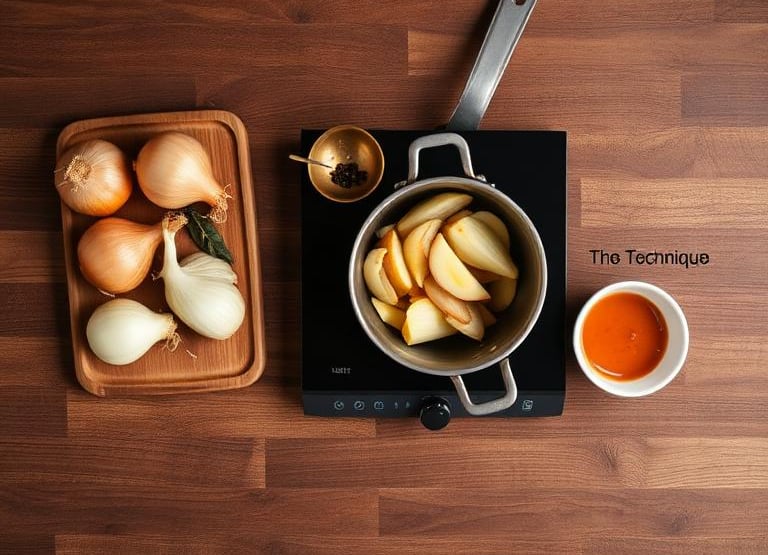
Begin your onion boil recipe by properly preparing all vegetables. Quarter onions lengthwise through the root end, maintaining partial connection to prevent complete separation during cooking. This technique ensures pieces remain intact throughout extended simmering. Furthermore, uniform cuts promote even flavor extraction across all vegetables.
Chop celery into consistent two-inch segments for balanced cooking. Use the flat side of your chef's knife to smash garlic cloves, which releases aromatic oils immediately. Additionally, bundle thyme sprigs and parsley stems with kitchen twine for easy removal after cooking. Meanwhile, gather all seasonings in a small bowl for efficient addition.
Building the Poaching Liquid (60 minutes)
Select a stockpot with at least 12-quart capacity for this onion boil recipe. Add cold filtered water first—starting with cold liquid extracts maximum flavor from aromatics. Next, incorporate all prepared vegetables, herbs, and seasonings simultaneously. Squeeze lemon halves directly into the pot before dropping them in entirely. For instance, this releases essential oils from the peel while adding bright acidity.
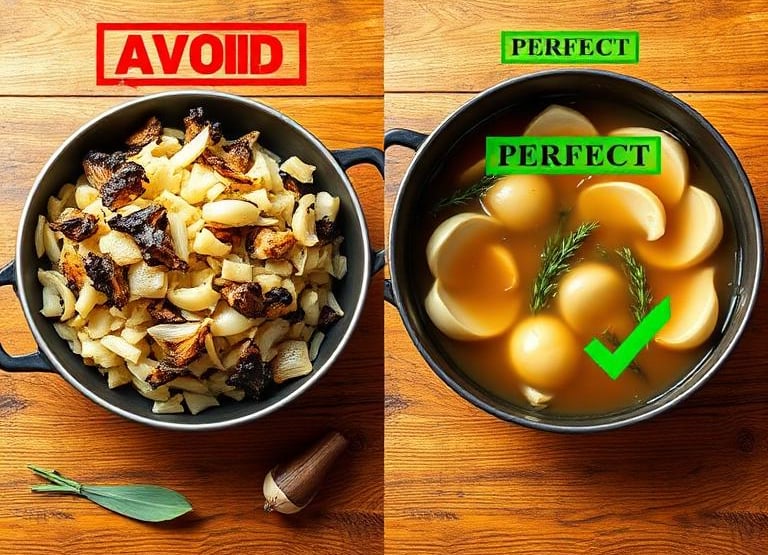
Place the pot over high heat and bring contents to a vigorous, rolling boil. This initial phase typically requires 15-20 minutes depending on your stovetop. Once boiling actively, immediately reduce heat to maintain a steady, gentle simmer. Therefore, you should observe consistent small bubbles breaking the surface without violent agitation. Vigorous boiling creates cloudy, bitter broth—the enemy of quality onion boil recipe execution.
Simmer uncovered for 45-60 minutes, stirring occasionally to prevent settling. The aromatics infusion develops progressively, with color deepening from pale yellow to rich amber. Furthermore, the aroma should become intensely savory and complex. Taste periodically after 40 minutes, adjusting salt and seasoning as needed. Consequently, the finished flavorful stock should taste boldly seasoned without overwhelming saltiness.
Straining and Storage
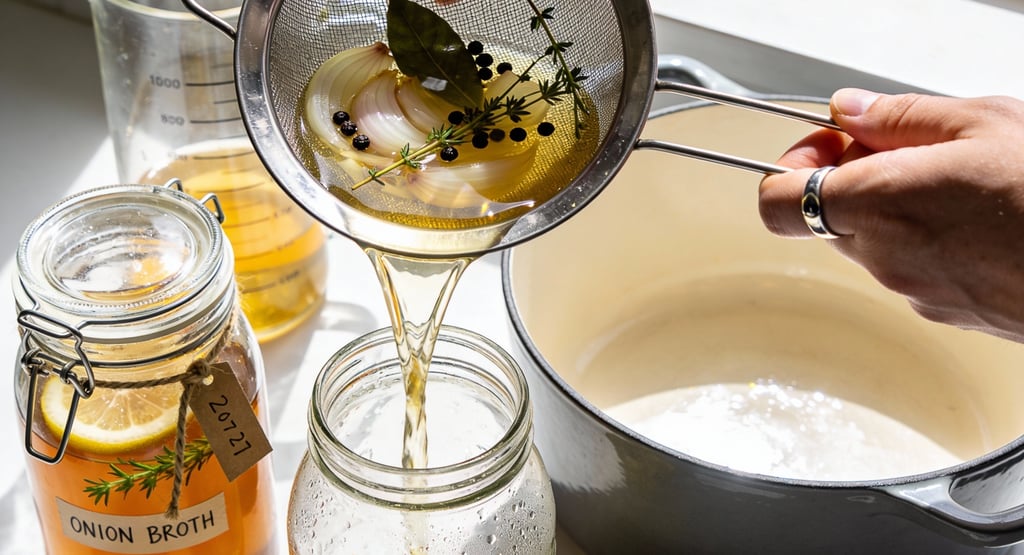
After cooking, strain your onion boil recipe through fine-mesh sieve or cheesecloth-lined colander into another large pot. Press vegetables gently to extract remaining liquid—they've given their all to your savory broth base. Discard spent aromatics, as they've transferred their essence completely.
Use the poaching liquid immediately for boiling shrimp, crab legs, or crawfish. Alternatively, cool completely in an ice bath before refrigerating. Moreover, this versatile court-bouillon base stores for up to 5 days refrigerated or 3 months frozen. For example, freeze in portions using ice cube trays or freezer containers for convenient future use in risotto, braised vegetables, or pan sauces.
Advanced Onion Boil Recipe Variations
Cajun Seafood Boil Style
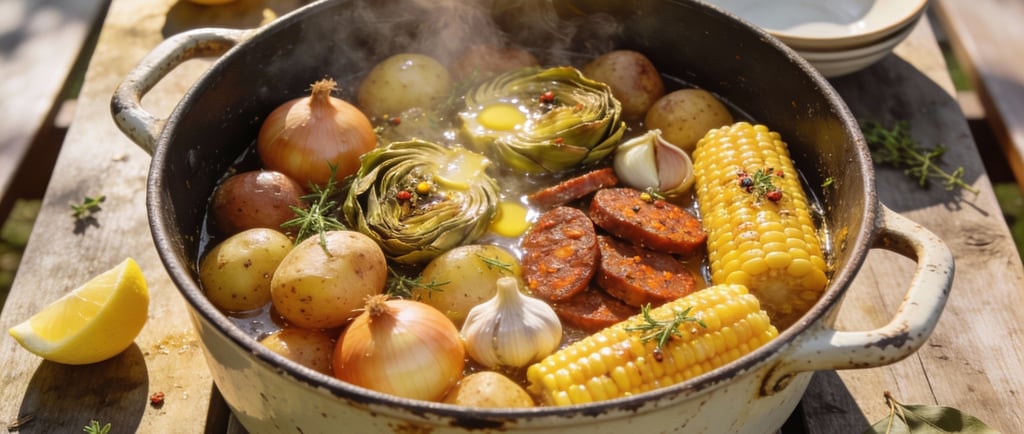
Traditional Louisiana versions of this onion boil recipe incorporate additional vegetables that cook alongside seafood. Add halved corn cobs, quartered red potatoes, and whole mushrooms directly to the simmering liquid. These absorb the aromatics infusion while contributing their own subtle sweetness. Furthermore, this approach creates complete one-pot meals when combined with boiled seafood platters. Therefore, the technique adapts beautifully for entertaining large groups.
Asian-Inspired Variation
Transform your basic onion boil recipe by incorporating ginger, lemongrass, and star anise. Replace Cajun seasoning with five-spice powder and add fresh cilantro stems. Additionally, this variation works exceptionally well for Vietnamese pho or Thai curry bases. Meanwhile, the allium preparation remains identical—only seasoning profiles change. Consequently, one fundamental technique yields diverse flavor outcomes.
Low-Sodium Version
Health-conscious cooks can modify this onion boil recipe by reducing salt to 2 tablespoons and incorporating more aromatic vegetables. Add extra garlic, fennel bulb, and fresh herbs to compensate for decreased sodium. Furthermore, using homemade vegetable stock instead of water intensifies flavor naturally. For instance, this modification works particularly well for healthy soup recipes or grain bowls. Therefore, the technique accommodates various dietary preferences easily.
Why Choose Our Onion Boil Recipe Approach
Our comprehensive onion boil recipe methodology stems from testing dozens of variations over multiple years. We've identified precise ingredient ratios and timing that deliver consistent excellence regardless of skill level. Additionally, our approach accommodates both traditional seafood applications and modern adaptations. Therefore, beginners and experienced cooks alike achieve professional-quality results.
We emphasize technique refinement because small details create significant differences in your final poaching liquid. For instance, our specific guidance on maintaining proper simmer temperature prevents common mistakes that produce weak or bitter broths. Moreover, we provide clear instructions for adjusting seasoning based on intended use—whether preparing shrimp boils, crab feasts, or French onion soup foundation. Consequently, our tested methodology eliminates guesswork completely.
Quality and authenticity drive every recommendation in this onion boil recipe guide. Our instructions honor traditional court-bouillon techniques while incorporating modern conveniences and ingredient accessibility. Furthermore, we continually refine based on reader feedback and emerging culinary trends. This commitment ensures you receive accurate, proven information that produces delicious results every time. Likewise, our detailed explanations help you understand the science behind each step, empowering confident adaptation to your specific needs.
Expert Tips for Perfect Onion Boil Recipe Results
Temperature Control Mastery
Achieving consistently excellent results with your onion boil recipe demands precise temperature management. After reaching initial boil, immediately reduce heat to maintain gentle simmering. Vigorous boiling agitates vegetables excessively, creating cloudy liquid and releasing bitter compounds from onion skins. Meanwhile, insufficient heat fails to extract adequate flavor within reasonable timeframes. For instance, proper simmering shows small, steady bubbles breaking the surface regularly. Therefore, monitor heat carefully throughout the entire cooking process.
Ingredient Quality Matters
Always use fresh, firm onions without soft spots or sprouting for your onion boil recipe. Quality produce directly impacts final flavor intensity and clarity. Additionally, resist the urge to substitute dried herbs for fresh in the initial cooking—save dried herbs for the boil seasoning blend only. Furthermore, whole spices contribute superior flavor compared to pre-ground alternatives. Consequently, sourcing premium ingredients represents the foundation of success.
Seasoning Strategy
Add salt and dried spices at the beginning of your onion boil recipe to allow thorough integration throughout simmering. However, reserve delicate fresh herbs for the final 15 minutes of cooking to preserve their aromatic qualities. Moreover, taste your poaching liquid frequently during the last 20 minutes and adjust gradually. For example, remember that flavors concentrate as liquid reduces slightly during cooking. Therefore, season conservatively initially and refine near completion.
Scaling Considerations
When adjusting this onion boil recipe for larger or smaller batches, maintain ingredient proportions carefully. Additionally, don't overcrowd your pot—vegetables need adequate water circulation for proper aromatics infusion. If doubling the recipe, consider using two pots rather than one oversized vessel. Meanwhile, halving ingredients works perfectly for smaller applications like individual soup servings. Consequently, proper scaling ensures consistent quality regardless of quantity.
Common Onion Boil Recipe Mistakes to Avoid
Over-Boiling
The most frequent error in onion boil recipe execution involves maintaining excessive heat throughout cooking. Rapid boiling extracts bitter compounds from onion skins and creates murky, unpleasant liquid. Furthermore, aggressive heat breaks down vegetables into mushy pieces that cloud your court-bouillon base. Therefore, always reduce to gentle simmer after initial boiling phase.
Insufficient Seasoning
Many home cooks under-season their onion boil recipe from fear of over-salting. However, this savory broth base requires bold seasoning to properly flavor seafood and vegetables. Additionally, remember you're seasoning a full gallon of liquid—it needs more salt than seems intuitive. For instance, taste frequently and adjust confidently. Meanwhile, you can always dilute over-seasoned liquid, but fixing under-seasoned batches proves difficult. Consequently, err slightly toward bolder seasoning.
Premature Straining
Removing vegetables before completing the full 45-60 minute simmer compromises flavor development in your onion boil recipe. The aromatics infusion requires adequate time for complete extraction. Moreover, rushing this process produces weak, one-dimensional poaching liquid. Therefore, exercise patience and allow full cooking time for optimal results.
Creative Uses for Your Onion Boil Recipe
This versatile simmered soup foundation extends far beyond traditional seafood applications. Use your onion boil recipe as the base for gumbo, jambalaya, or étouffée. Additionally, it enhances rice pilaf, quinoa preparations, and braised greens significantly.
The flavorful stock works beautifully for deglazing pans when making pan-seared fish or sautéed shrimp. Furthermore, freeze concentrated versions in ice cube trays for adding instant depth to weeknight pasta dishes or stir-fries. For instance, creative cooks discover endless applications for this aromatic court-bouillon base. Meanwhile, the technique remains identical regardless of final use. Therefore, one master recipe serves countless culinary purposes.
Storage and Make-Ahead Strategies
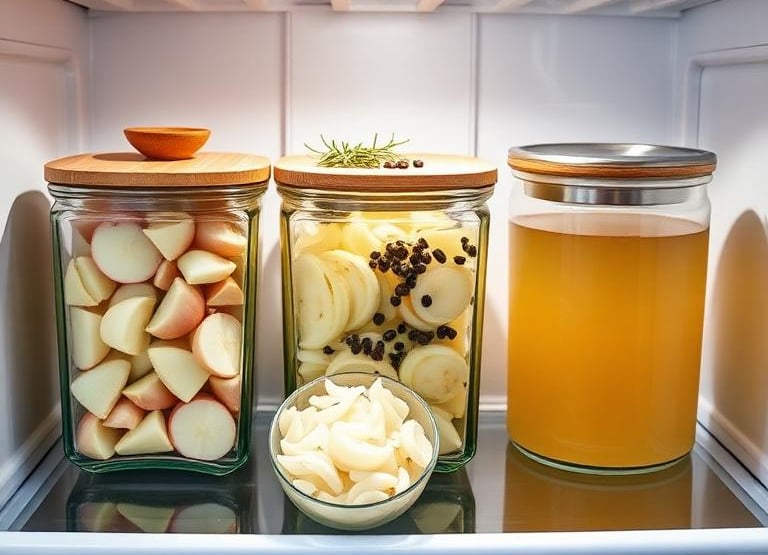
Proper storage maximizes the utility of your onion boil recipe dramatically. After straining, cool the savory broth base quickly by placing the pot in an ice bath—this prevents bacterial growth and maintains quality. Once cooled to room temperature, transfer to airtight containers and refrigerate promptly. Moreover, properly stored poaching liquid remains fresh for up to 5 days refrigerated.
Freezing provides excellent long-term storage for this flavorful stock. Divide cooled liquid into various portion sizes based on typical usage patterns. Ice cube trays create convenient small portions for adding flavor to sautéed vegetables or grain dishes. Additionally, freezer-safe quart containers work perfectly for soup bases or complete seafood boils. Meanwhile, silicone muffin pans produce medium-sized portions ideal for sauce making. Therefore, thoughtful portioning maximizes convenience for future cooking needs.
When ready to use frozen portions from your onion boil recipe, thaw overnight in the refrigerator for best results. Alternatively, frozen portions can be added directly to simmering pots for soups and stews. Furthermore, always bring thawed liquid to a full rolling boil before using for food safety. For instance, this step ensures any potential bacteria from storage are eliminated completely. Consequently, following proper thawing and reheating protocols maintains both quality and safety standards.
Frequently Asked Questions About Onion Boil Recipe
How long does it take to make an onion boil recipe?
A complete onion boil recipe requires approximately 60-75 minutes total time. This includes 15 minutes for ingredient preparation and 45-60 minutes of simmering. Furthermore, the aromatics infusion cannot be rushed without compromising flavor depth. Therefore, plan accordingly when timing your cooking schedule. Meanwhile, the hands-on effort remains minimal—most time involves passive simmering.
Can I reuse onion boil liquid for multiple seafood batches?
Yes, your onion boil recipe liquid actually improves with reuse, developing richer depth as it absorbs flavors from cooked seafood. However, strain carefully between uses to remove debris and refrigerate promptly for food safety. Additionally, bring the poaching liquid to a full rolling boil before adding new ingredients each time. Moreover, the court-bouillon base typically remains viable for 2-3 reuses before becoming too salty or concentrated. Consequently, many experienced cooks deliberately save and reuse their flavorful stock.
What type of onions work best in this recipe?
Yellow onions provide ideal balance of sweetness and pungency for traditional onion boil recipe applications. Their robust flavor withstands extended simmering without becoming bitter or losing character. Meanwhile, sweet onions like Vidalia create milder, sweeter profiles suitable for delicate seafood. White onions offer sharper, more assertive character preferred in some regional variations. For instance, combining varieties creates complex, layered flavor in your savory broth base. Therefore, yellow onions remain the standard choice for authentic results.
How do I prevent my onion boil recipe from becoming bitter?
Bitterness in your poaching liquid typically results from excessive boiling temperature or overcooked aromatics. Maintain gentle simmer rather than vigorous boil after initial heating phase. Additionally, avoid cooking beyond 60 minutes, which extracts unpleasant compounds from vegetable skins. Remove bay leaves after cooking if storing the liquid long-term. Furthermore, balance flavors with adequate acidity from fresh lemon juice. Consequently, proper temperature control and timing ensure clean, balanced flavor throughout your onion boil recipe.
Can onion boil liquid be used for dishes besides seafood?
Absolutely, this versatile onion boil recipe serves as an excellent foundation for numerous dishes. Use it as base for vegetable soup, chicken and dumplings, or red beans and rice. Additionally, it enhances pasta dishes, risotto, and braised meats significantly. For example, substitute it for plain water when cooking rice or grits for instant flavor upgrade. Therefore, creative cooks find endless applications beyond traditional Cajun seafood boil uses.
Nutritional Considerations
This onion boil recipe creates a flavorful stock that's naturally low in calories while delivering substantial taste. The aromatics infusion adds negligible calories—virtually all nutrition comes from ingredients cooked in the liquid later. Furthermore, the sodium content depends entirely on salt quantities you add. For instance, reducing salt to 2-3 tablespoons creates a lower-sodium version suitable for heart-healthy diets.
The court-bouillon base contains beneficial compounds from onions, including quercetin and other antioxidants. Additionally, garlic contributes allicin, which offers potential cardiovascular benefits. Meanwhile, the boil seasoning blend may include anti-inflammatory spices like turmeric and cayenne. Therefore, this savory broth base provides more than just flavor—it offers functional benefits from aromatic vegetables and spices.
Pairing Your Onion Boil Recipe with Seafood
Shrimp Boils
Use your onion boil recipe at full strength for classic shrimp boils. Bring the poaching liquid to rolling boil, add shrimp, and cook for 2-3 minutes until pink and opaque. Additionally, include boiled potatoes, corn on the cob, and andouille sausage for complete meals. Therefore, the flavorful stock transforms simple ingredients into memorable feasts.
Crab and Crawfish
For crab legs or whole blue crabs, maintain your onion boil recipe at steady simmer and cook 8-10 minutes. Meanwhile, crawfish boils benefit from adding extra Cajun seasoning for bolder flavor. Furthermore, let seafood soak in the hot liquid for 10-15 minutes after cooking to absorb maximum flavor. Consequently, proper technique ensures perfectly seasoned results every time.
Mixed Seafood Platters
Combine multiple seafood types using your versatile onion boil recipe as the foundation. Add ingredients in stages based on cooking times—potatoes and sausage first, then corn, followed by mussels, and finally shrimp. For instance, this approach ensures everything finishes simultaneously without overcooking delicate items. Therefore, master timing creates impressive seafood boil platters for entertaining.
Troubleshooting Your Onion Boil Recipe
Cloudy Liquid
If your onion boil recipe produces cloudy poaching liquid, the heat was likely too high during simmering. Additionally, over-stirring can break down vegetables excessively. For clearer results next time, maintain gentler heat and stir less frequently. Meanwhile, straining through cheesecloth improves clarity significantly. Therefore, temperature control remains the primary factor in creating clear, attractive court-bouillon base.
Weak Flavor
Insufficient seasoning or inadequate simmering time typically causes weak-tasting onion boil recipe results. Ensure you're using the full complement of aromatics and seasonings specified. Furthermore, verify your simmering time reaches the full 45-60 minute range. For instance, tasting at 40 minutes allows time for adjustments before completion. Additionally, consider using vegetable stock instead of plain water for enhanced depth. Consequently, proper technique and ingredients create boldly flavored poaching liquid.
Too Salty
Over-salted onion boil recipe can be diluted with additional unsalted water or stock. Add liquid gradually while tasting until seasoning reaches appropriate levels. Moreover, adding halved raw potatoes to the simmering liquid absorbs excess salt—remove them after 15 minutes. For future batches, add salt more conservatively and adjust near the end. Therefore, cautious seasoning prevents this common issue.
Regional Variations of Onion Boil Recipe
Louisiana Cajun Style
Traditional Louisiana versions emphasize this onion boil recipe's connection to Cajun cooking traditions. They typically include more cayenne pepper and may add Creole mustard for tangy heat. Furthermore, many cooks incorporate liquid crab boil concentrate for intensified seafood flavor. Therefore, regional preferences create interesting variations on the basic technique.
Low Country Boil Approach
South Carolina and Georgia adaptations of this onion boil recipe focus on milder seasoning profiles. They often reduce cayenne while increasing Old Bay seasoning quantities. Additionally, Low Country boils frequently include more corn and potatoes relative to seafood. Meanwhile, the fundamental aromatics infusion technique remains identical. Consequently, understanding regional differences helps you customize recipes to local tastes.
Texas Gulf Coast Version
Texas interpretations of the onion boil recipe often incorporate Mexican-inspired seasonings like cumin and chipotle. Furthermore, they may add fresh jalapeños or serrano peppers for authentic Tex-Mex heat. For instance, Gulf Coast seafood boils frequently feature this hybrid seasoning approach. Therefore, creative adaptation keeps traditional techniques relevant across diverse culinary cultures.
Equipment Recommendations for Onion Boil Recipe
Essential Tools
Execute this onion boil recipe successfully with proper equipment. A large stockpot of at least 12-quart capacity handles full batches comfortably. Additionally, a fine-mesh strainer ensures clean, particle-free poaching liquid. Meanwhile, cheesecloth provides even finer filtration when desired. Therefore, investing in quality tools improves results and cooking enjoyment.
Optional Enhancements
Consider a outdoor propane burner for large-scale seafood boils that exceed stovetop capacity. Furthermore, perforated baskets simplify removing cooked seafood without disturbing the flavorful stock. For instance, seafood boil serving trays create authentic presentation for entertaining. Additionally, instant-read thermometers help monitor liquid temperature precisely. Consequently, specialized equipment enhances the complete onion boil recipe experience.
Conclusion: Master This Essential Onion Boil Recipe
Mastering an authentic onion boil recipe provides the foundation for countless memorable meals throughout the year. This time-honored technique creates aromatic court-bouillon base that elevates simple ingredients into extraordinary culinary experiences. Whether preparing festive seafood boil gatherings, comforting homemade soups, or flavorful rice dishes, understanding proper aromatics infusion ensures consistent success.
The versatility of this onion boil recipe extends far beyond traditional Cajun seafood boil applications. Use it as your go-to savory broth base for braising meats, cooking grains, or creating restaurant-quality sauces. Furthermore, the technique adapts beautifully to various dietary preferences and regional flavor profiles. Therefore, this fundamental cooking skill deserves a permanent place in your culinary repertoire.
Start creating your own poaching liquid today using this comprehensive onion boil recipe guide. The investment of 60 minutes yields flavorful stock that enhances cooking for weeks when properly stored. Additionally, the confidence gained from mastering this technique opens doors to advanced Cajun cooking and Southern cuisine exploration. Consequently, your future meals—from simple weeknight dinners to elaborate entertaining—will benefit immeasurably from this essential skill.
Ready to expand your cooking knowledge? Explore our complete collection of Southern seafood recipes, Cajun cooking guides, and stock-making tutorials for more delicious inspiration!