Quick & Easy Bread Recipes for Busy Bakers
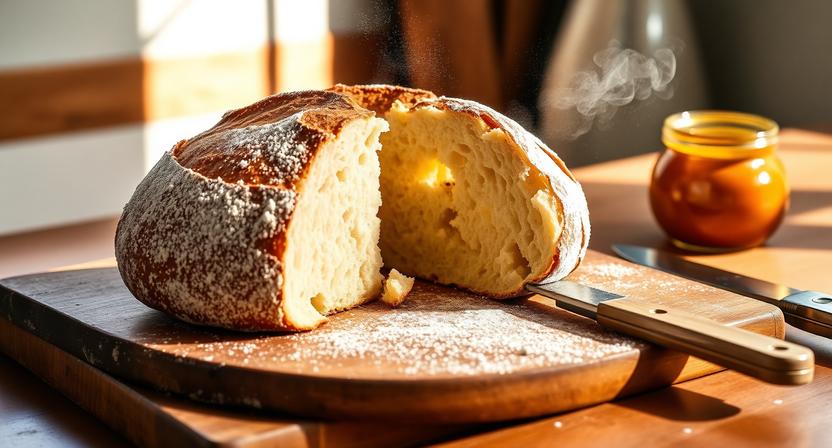
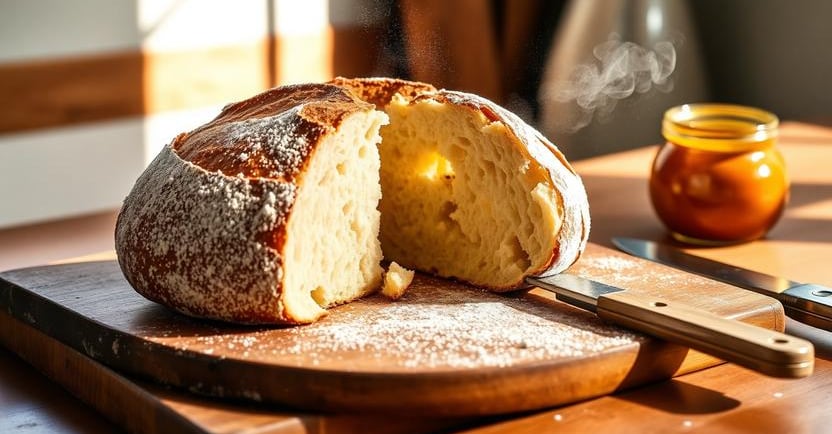
Think baking bread requires hours of kneading and a master baker's patience? Think again! We're kicking off our "Quick & Easy Bread" series with a game-changer: The 4-Ingredient No-Knead Loaf. This iconic recipe is the busy baker's secret weapon. With just flour, water, yeast, and salt, you'll create a stunning, rustic loaf with a crispy, golden crust and an irresistibly soft, airy interior. The magic happens while you sleep or work—the long, slow rise does all the heavy lifting for you.
BAKING & DESSERT DELIGHTS
Helene Henderson (Writer/Author)
1/7/202611 min read
Quick & Easy Bread Recipes for Busy Bakers
Introduction: Why Homemade Bread Matters Even When You're Busy
There's something magical about the smell of fresh bread wafting through your kitchen, isn't there? But if you're like most people juggling work, family, and a never-ending to-do list, the idea of baking bread from scratch might seem impossible. Here's the good news: you don't need hours of free time or professional baking skills to create delicious homemade bread.
Quick and easy bread recipes are designed specifically for people like you—busy individuals who still want to enjoy the satisfaction and flavor of homemade baked goods. Whether you're a complete beginner or someone who's dabbled in baking before, these recipes will help you create impressive breads without the stress or time commitment.
The Beauty of Simple Bread Recipes
Time-Saving Benefits
Who says bread baking has to be an all-day affair? Quick bread recipes typically take anywhere from 10 to 45 minutes of actual hands-on time. Many recipes involve simple mixing, a brief rest period, and baking—that's it. Some no-knead breads can be prepared in under five minutes of active work, with the oven doing the heavy lifting while you tackle other tasks.
Think of quick breads as the express lane at the grocery store. You're getting quality results without waiting in the long line. These recipes respect your time while still delivering that homemade goodness.
Cost-Effectiveness
Have you noticed how expensive artisan bread has become at bakeries? A single loaf can cost anywhere from five to eight dollars. When you bake at home, the ingredient cost for a similar loaf might be less than two dollars. Over time, these savings add up significantly, especially if your family goes through multiple loaves each week.
Health Advantages
When you bake your own bread, you control exactly what goes into it. No mystery preservatives, no unnecessary additives, no hidden sugars. You can choose organic flours, reduce sodium, incorporate whole grains, and customize recipes to accommodate dietary restrictions. For families with allergies or specific nutritional needs, homemade bread isn't just convenient—it's sometimes essential.
Essential Tools Every Busy Baker Needs
Basic Kitchen Equipment
You don't need a professional kitchen to bake amazing bread. Here's what you absolutely need: mixing bowls, measuring cups and spoons, a wooden spoon or spatula, a standard loaf pan, and a reliable oven. That's genuinely all the basics required for most quick bread recipes.
A kitchen scale can be helpful for precision, but it's not mandatory for beginners. Many successful bakers start with volume measurements and transition to weight-based recipes later as they become more experienced.
Optional Time-Savers
Want to make bread baking even easier? Consider investing in a stand mixer with a dough hook attachment—it eliminates hand kneading entirely. A Dutch oven creates bakery-quality crusts on artisan loaves. Silicone baking mats mean less cleanup. Bread machines can handle everything while you sleep, giving you fresh bread for breakfast.
But remember, these are luxuries, not necessities. Don't let the absence of fancy equipment stop you from getting started.
Understanding Quick Bread vs. Yeast Bread
What Makes Quick Breads Different?
Quick breads are leavened with baking powder or baking soda rather than yeast. This means no waiting for dough to rise, no proofing, no punching down—just mix, pour, and bake. Examples include banana bread, muffins, scones, and Irish soda bread. They're called "quick" for a reason: from start to finish, you can have bread on the table in under an hour.
The texture of quick breads tends to be more cake-like or dense compared to yeast breads. They're perfect for breakfast, snacks, or accompanying soups and salads.
When to Choose Yeast Breads
Traditional yeast breads take longer but offer that classic chewy texture and complex flavor that only fermentation can provide. However, even within the yeast bread category, there are time-saving options. No-knead breads and rapid-rise recipes cut down significantly on both active and passive time.
If you're craving that authentic bakery experience but don't have all day, look for overnight no-knead recipes that do most of the work while you're sleeping.
Top 5 Quick Bread Recipes for Beginners
Classic Banana Bread
Is there anything more comforting than banana bread? This recipe uses overripe bananas (those spotty ones you almost threw away), basic pantry staples, and takes about 10 minutes to prepare. The natural sweetness of bananas means you can reduce added sugar without sacrificing flavor.
Mix mashed bananas with eggs, melted butter, flour, sugar, and baking soda. Pour into a greased loaf pan and bake at 350°F for about an hour. The result? Moist, flavorful bread that's perfect for breakfast or an afternoon snack with coffee.
Savory Cheese and Herb Bread
Not all quick breads need to be sweet. This savory option combines sharp cheddar cheese with fresh herbs like rosemary or thyme. It's fantastic alongside soups, stews, or as the base for sandwiches.
The beauty of this recipe lies in its versatility. Swap cheeses based on what's in your fridge, experiment with different herb combinations, or add sun-dried tomatoes or olives for Mediterranean flair. Mix the dry ingredients, fold in cheese and herbs, add wet ingredients, and bake. Done in under 45 minutes.
No-Knead Artisan Bread
This recipe revolutionized home baking when it first appeared. With just four ingredients—flour, water, salt, and yeast—you can create a rustic loaf with a crackling crust and airy interior that rivals expensive bakery bread.
The secret? Time replaces kneading. Mix the ingredients in a bowl, cover, and let it sit at room temperature for 12 to 18 hours. The long fermentation develops flavor and gluten structure without any kneading. Shape, rest briefly, then bake in a preheated Dutch oven. Your active time? Maybe five minutes total.
Irish Soda Bread
Traditional Irish soda bread requires just four ingredients: flour, baking soda, salt, and buttermilk. No yeast, no wait time, no fuss. The chemical reaction between the baking soda and buttermilk creates lift, resulting in a slightly dense, hearty bread with a unique tangy flavor.
This bread takes literally 10 minutes to mix and about 40 minutes to bake. It's perfect for St. Patrick's Day celebrations or any time you need bread in a hurry. Serve it warm with butter, or use it to mop up the last bits of stew from your bowl.
Quick Garlic Flatbreads
These flatbreads cook on the stovetop in a skillet, meaning no need to heat up the oven. The dough comes together in minutes using flour, yogurt, baking powder, and salt. Roll into rounds, brush with garlic butter, and cook for a few minutes per side.
They're phenomenal with curry, as a pizza base, or simply torn apart and dipped in olive oil. Kids love helping make these, and they're ready in about 30 minutes from start to finish.
Time-Saving Tips for Bread Baking
Meal Prep Strategies
Designate one afternoon per month as your "bread baking session." Mix and bake multiple loaves, then freeze them. Most breads freeze beautifully for up to three months. When you need bread, simply thaw at room temperature or reheat in the oven.
You can also prepare dry ingredient mixes in advance. Measure flour, sugar, baking powder, and salt for your favorite quick bread recipes into labeled bags or jars. When baking day arrives, you'll just need to add wet ingredients.
Freezing and Storing Techniques
Once bread has cooled completely, wrap it tightly in plastic wrap, then aluminum foil, or place it in a freezer-safe bag. Label with the date and type of bread. For sliced bread, place parchment paper between slices before freezing so you can remove individual pieces as needed.
Quick breads actually taste even better the next day as flavors meld and mature. Store most quick breads wrapped in plastic wrap at room temperature for up to three days, or refrigerate for up to a week.
Common Mistakes Busy Bakers Make (And How to Avoid Them)
Overmixing the Batter
This is the number one mistake in quick bread recipes. When you overmix, you develop too much gluten, resulting in tough, dense bread with tunnel-like holes. The solution? Mix just until the dry ingredients are incorporated. The batter should look slightly lumpy—that's actually what you want.
Think of it like this: you're introducing ingredients to each other, not blending a smoothie. A few gentle folds with a spatula work better than vigorous stirring.
Incorrect Oven Temperature
Many home ovens run hotter or cooler than the temperature displayed. Invest in an oven thermometer (they're inexpensive) to ensure accuracy. Baking at the wrong temperature can result in bread that's raw in the middle but burnt on the outside, or bread that never browns properly.
Also, resist the urge to open the oven door frequently. Each time you do, you release heat and extend baking time. Trust the process and use the oven light to check progress.
Healthy Substitutions for Traditional Bread Recipes
Whole Grain Alternatives
Replace up to half the all-purpose flour in most recipes with whole wheat flour for added fiber and nutrients. Start with a 25% substitution and increase gradually as you adjust to the denser texture and nuttier flavor.
Other fantastic options include spelt flour, oat flour, or a blend of ancient grains. These alternatives not only boost nutritional value but also add interesting flavors and textures to your breads.
Reducing Sugar and Salt
Most bread recipes can handle a 25% reduction in sugar without significant impact on taste or texture. In quick breads, sugar provides tenderness and browning, so don't eliminate it entirely unless following a specific low-sugar recipe.
For salt, use it strategically. While you can reduce the amount, salt enhances flavor and controls yeast activity in yeast breads. In quick breads, it simply brightens other flavors. A pinch goes a long way.
One-Bowl Bread Recipes: Minimal Cleanup
Busy bakers appreciate recipes that don't create mountains of dishes. One-bowl breads combine all ingredients in a single mixing bowl, eliminating unnecessary cleanup. Zucchini bread, pumpkin bread, and many muffin recipes follow this convenient format.
The trick is to add ingredients in the right order. Typically, you'll mix wet ingredients first, then gently fold in dry ingredients. This method is efficient and produces excellent results with minimal effort.
30-Minute Bread Recipes That Actually Work
Yes, you can make bread in 30 minutes—specifically, quick breads and stovetop flatbreads. Beer bread is a famous example: mix self-rising flour with beer and a bit of sugar, pour into a pan, and bake for 30 minutes. The carbonation in the beer provides lift while adding subtle flavor.
Microwave bread recipes exist too, though they produce different textures than oven-baked versions. They're perfect for single servings when you want bread right now without heating up the entire kitchen.
Kid-Friendly Bread Recipes for Family Baking
Baking with children creates lasting memories while teaching valuable skills. Choose recipes with simple steps and minimal waiting time to keep young attention spans engaged. Monkey bread, where kids can roll dough balls in cinnamon sugar, is always a hit.
Pizza dough is technically bread and incredibly fun for kids to make. They can stretch it, top it with their favorite ingredients, and watch it transform in the oven. The instant gratification of eating something they created is priceless.
Let children measure ingredients, stir batter, and shape dough. These activities build math skills, following directions, and confidence. Just be prepared for a messy kitchen—it's part of the experience!
Recommended YouTube Videos for Visual Learners
Sometimes reading a recipe isn't enough. Watching someone demonstrate techniques can clarify confusing steps and boost your confidence. Here are two excellent video resources for bread baking:
"No-Knead Bread - The New York Times Recipe" by Food Wishes - Chef John walks through the famous no-knead bread technique with his signature humor and clear instructions. This video has helped millions of beginners successfully bake their first artisan-style loaf. The step-by-step visual demonstration removes all the mystery from the process.
"5 Easy Bread Recipes for Beginners" by Preppy Kitchen - John Kanell presents five approachable recipes in one comprehensive video, perfect for busy bakers who want variety. His clear explanations, beautiful cinematography, and encouragement make bread baking feel achievable rather than intimidating.
Both channels offer additional bread content worth exploring once you've mastered these basics. Visual learning accelerates the process of understanding techniques like proper mixing, shaping, and testing for doneness.
Frequently Asked Questions (FAQ)
Q1: Can I make bread without a stand mixer?
Absolutely! Most quick breads and even many yeast breads can be made entirely by hand. A sturdy spoon or spatula is all you need for mixing. For yeast breads that require kneading, your hands work just fine—it just takes a few extra minutes and provides a great arm workout.
Q2: How do I know when my bread is fully baked?
For quick breads, insert a toothpick or cake tester into the center. If it comes out clean or with just a few moist crumbs, the bread is done. For yeast breads, tap the bottom of the loaf—it should sound hollow. An instant-read thermometer is foolproof: most breads are done when the internal temperature reaches 190-200°F.
Q3: Why did my bread sink in the middle?
This usually happens when bread is underbaked, the oven temperature was too low, or there was too much liquid in the batter. It can also occur if you open the oven door too early, causing a sudden temperature drop. Let the bread bake for at least three-quarters of the recommended time before checking.
Q4: Can I substitute ingredients in bread recipes?
Some substitutions work better than others. You can generally swap milk for buttermilk (add a tablespoon of vinegar to regular milk), use oil instead of butter in quick breads, or replace eggs with flax eggs in some recipes. However, substituting flour types requires understanding how different flours absorb liquid. Start with recipes designed for your preferred ingredients.
Q5: How long does homemade bread stay fresh?
Quick breads typically stay fresh for 2-3 days at room temperature, up to a week refrigerated, or up to 3 months frozen. Yeast breads are best within 2-3 days but can be refreshed in the oven. Proper storage in airtight containers or wrapped tightly in plastic wrap significantly extends freshness.
Rarely Asked Questions (RAQ)
Q1: Can I bake bread at high altitude?
Yes, but you'll need to make adjustments. At high altitudes, liquids evaporate faster and gases expand more quickly. Generally, you'll need to increase liquid slightly, decrease leavening agents, and sometimes increase oven temperature by 15-25°F. Many recipe websites offer high-altitude conversion guidelines.
Q2: Is it safe to eat bread dough raw?
No, consuming raw dough containing flour poses health risks. Flour can carry bacteria like E. coli, and raw eggs (if present) can contain salmonella. Always bake bread thoroughly before eating. If you want cookie dough or edible dough experiences, look for recipes specifically designed to be eaten raw.
Q3: Why does my bread have a weird smell or taste?
Check your baking powder and baking soda expiration dates. These leavening agents lose potency over time and can develop off-flavors. Also, ensure your flour is fresh—rancid flour imparts unpleasant tastes. Store flour in airtight containers in cool, dry places, or freeze for extended storage.
Q4: Can I reduce baking time if I make mini loaves?
Yes! Smaller loaves and muffins bake faster than full-sized loaves. Generally, reduce baking time by about one-third to one-half. A mini loaf that would take 50 minutes as a full loaf might only need 25-30 minutes. Always use the toothpick test to verify doneness rather than relying solely on time.
Q5: What's the white coating on my stored bread?
If you see white spots on bread stored in humid conditions, that's likely mold—discard the entire loaf. However, if you're asking about the white dusting on artisan breads, that's flour used during shaping and is completely safe to eat. When in doubt, smell the bread—mold has a distinctive musty odor.
Conclusion: Embrace the Joy of Quick Bread Baking
Bread baking doesn't have to be complicated or time-consuming. With these quick and easy recipes, even the busiest baker can enjoy fresh, homemade bread without sacrificing precious time or sanity. Whether you're drawn to sweet banana breads for breakfast, savory cheese breads for dinner, or impressive artisan loaves for special occasions, there's a recipe here for you.
The key is to start simple, be patient with yourself, and remember that even professional bakers had to start somewhere. Every loaf you bake teaches you something new, and mistakes are just learning opportunities in disguise. Before you know it, you'll be confidently adapting recipes, experimenting with flavors, and filling your home with the irresistible aroma of fresh bread.
So grab your mixing bowl, preheat that oven, and discover just how satisfying and achievable bread baking can be. Your family, your taste buds, and your budget will thank you. Happy baking!
Please don't forget to leave a review.