The ONLY Coquito Recipe You'll Ever Need
Forget the rest—this is the ultimate Coquito recipe. Creamy, rich, and perfectly spiced, our Puerto Rican coconut eggnog is the holiday drink dreams are made of. Made with real ingredients and a splash of love, it’s guaranteed to be the star of your festivities. ¡Salud!
EASY DRINK RECIPES FOR EVERY SEASON
Helene Henderson (Writer/Author)
12/30/20258 min read
The ONLY Coquito Recipe You'll Ever Need
When the holiday season rolls around, there's one drink that steals the show in Puerto Rican households: coquito. This creamy, coconut-based beverage is like the Caribbean's answer to eggnog, but let's be honest—it's way better. Rich, silky, and spiked with just the right amount of rum, coquito is more than a drink. It's tradition, celebration, and pure comfort in a glass.
Whether you're making it for the first time or you've been perfecting your recipe for years, this guide will walk you through everything you need to know. We're talking about the ultimate coquito recipe that'll have your friends and family asking for seconds (and thirds). Ready to become the coquito champion of your crew? Let's dive in.
What Is Coquito and Why Is It So Special?
The Origins of Coquito
Coquito, which translates to "little coconut," has deep roots in Puerto Rican culture. While its exact origins are a bit murky, most historians agree that it emerged sometime in the early 20th century. The drink combines indigenous Caribbean ingredients like coconut with Spanish influences, particularly the love of sweetened, spiced beverages during the holidays.
Think of coquito as Puerto Rico's liquid hug. It's been passed down through generations, with each family adding their own twist. Some recipes include eggs, while others skip them entirely. Some folks swear by white rum, while others prefer dark rum for a richer flavor.
Why Coquito Is the Heart of Puerto Rican Christmas
In Puerto Rico, Christmas isn't just a day—it's a season. From late November through mid-January, the island celebrates with parrandas (surprise musical visits), feasts, and of course, coquito. This drink represents togetherness, warmth, and the joy of sharing something special with the people you love.
Every family has their "secret" recipe, guarded like treasure. When someone brings homemade coquito to a gathering, it's a gesture of love and pride. And once you taste it, you'll understand why people get so passionate about their version.
Essential Ingredients for the Perfect Coquito
The Base Ingredients You Can't Skip
Let's break down what makes coquito, well, coquito. Here are the non-negotiables:
Coconut cream and coconut milk: These give coquito its signature creamy, tropical flavor. Coconut cream is thicker and richer, while coconut milk adds smoothness without being too heavy.
Sweetened condensed milk: This is your sweetener and thickener rolled into one. It gives coquito that luscious, dessert-like quality.
Evaporated milk: This balances out the richness and adds a smooth, velvety texture.
White rum: The alcohol of choice for most traditional recipes. It adds warmth without overpowering the coconut flavor. Bacardi or Don Q are popular choices.
Vanilla extract: A little goes a long way in enhancing all the other flavors.
Ground cinnamon: This spice is essential. It adds warmth and that holiday feeling.
Nutmeg: Just a pinch brings depth and complexity.
Optional Add-Ins to Make It Your Own
Want to get creative? Here are some optional ingredients that can take your coquito to the next level:
Egg yolks: Some recipes call for them to create an eggnog-like richness. If you use them, make sure they're fresh and from a trusted source.
Coconut flakes: For extra coconut flavor and a bit of texture.
Cinnamon sticks: Use them for infusing or as garnish.
Star anise: Adds a subtle licorice note that's surprisingly delicious.
Different rums: Dark rum, spiced rum, or even coconut rum can change the flavor profile.
Equipment You'll Need
Making coquito doesn't require fancy equipment, but having the right tools makes the process smoother:
A high-powered blender is your best friend here. It ensures everything mixes perfectly and you get that silky-smooth consistency. A regular blender works fine, but you might need to blend a bit longer.
Glass bottles with tight-sealing lids are essential for storage. Many people use recycled liquor bottles or mason jars. The presentation matters, especially if you're gifting your coquito.
A fine-mesh strainer can help if you want an ultra-smooth texture, though it's not absolutely necessary.
A funnel makes transferring coquito from the blender to bottles so much easier and less messy.
Step-by-Step Instructions for Making Coquito
Preparing Your Ingredients
Start by gathering everything you need. Room temperature ingredients blend better than cold ones, so take your coconut cream, condensed milk, and evaporated milk out of the fridge about 30 minutes before you start.
Give your coconut cream a good shake before opening. Sometimes it separates in the can, and you want it well-mixed.
Blending to Perfection
Here's the simple process:
Pour your coconut cream and coconut milk into the blender first. These are the heaviest liquids and starting with them helps everything blend smoothly.
Add the sweetened condensed milk and evaporated milk next. These dairy products create that creamy base everyone loves.
Toss in your vanilla extract, a teaspoon of ground cinnamon, and a small pinch of nutmeg. Don't go overboard with the spices—you want them to complement, not dominate.
Now for the fun part: add your rum. A standard recipe uses about 1 to 1.5 cups of white rum for every batch, but you can adjust based on how strong you like it.
Blend everything on high for about 2-3 minutes. You want it completely smooth with no separation. Stop once or twice to scrape down the sides if needed.
Taste test! This is crucial. Need it sweeter? Add a bit more condensed milk. Want more spice? Sprinkle in more cinnamon. Too thick? Add a splash of regular milk or coconut milk.
Storage and Serving Tips
Once blended, use your funnel to pour the coquito into clean glass bottles. Fill them almost to the top, leaving just a little room at the neck.
Seal tightly and refrigerate immediately. Coquito needs at least 4-6 hours to chill properly, but it's even better after sitting overnight. The flavors meld together beautifully with time.
Before serving, always shake the bottle well. Separation is natural, especially if you didn't use egg yolks.
Pro Tips for the Best Coquito Ever
Getting the Right Consistency
Coquito should coat the back of a spoon but still be pourable. If yours is too thick, thin it out with regular milk, coconut milk, or even a splash more rum. Too thin? Add more coconut cream or condensed milk and give it another blend.
Adjusting Sweetness and Rum Content
Everyone's palate is different. Some people like their coquito sweet enough to rival dessert, while others prefer it less sugary to let the rum shine through.
Start with less sweetness and add more gradually. It's easier to add than to take away. Same goes for rum—you can always add more, but you can't un-spike it.
Making It Ahead of Time
Coquito actually improves with age (up to a point). Make it 3-5 days before your holiday gathering for optimal flavor. The spices bloom, the coconut deepens, and everything comes together beautifully.
Just don't make it too far in advance. Even with alcohol, coquito typically lasts about 4-6 weeks in the refrigerator when properly stored.
Common Mistakes to Avoid
Don't use light coconut milk or cream. You'll lose that rich, decadent flavor that makes coquito special. Go full-fat or go home.
Don't skip the resting time. Serving coquito immediately after blending means missing out on the magic that happens when the flavors marry.
Don't forget to shake before serving. That separation isn't a sign something's wrong—it's totally normal. Just give it a good shake.
Don't store it in plastic containers if possible. Glass preserves the flavor better and looks more festive.
Don't be afraid to adjust. Recipes are guidelines, not laws. If your grandma's coquito tasted different, that's because she made it her own. You should too.
Variations on the Classic Recipe
Chocolate Coquito
Add 1/2 cup of chocolate syrup or 3 tablespoons of cocoa powder to your base recipe. The result is like drinking a coconut-rum truffle. Absolutely divine.
Pistachio Coquito
Blend in 1/2 cup of pistachio cream or paste. This creates a nutty, slightly savory variation that's surprisingly addictive. Garnish with crushed pistachios for extra flair.
Non-Alcoholic Coquito
Simply omit the rum and add an extra splash of vanilla extract and maybe some coconut extract. It's still creamy and delicious, making it perfect for kids or anyone avoiding alcohol. You can also add a tiny bit of rum extract for that authentic flavor without the booze.
How to Serve Coquito Like a Pro
Presentation Ideas
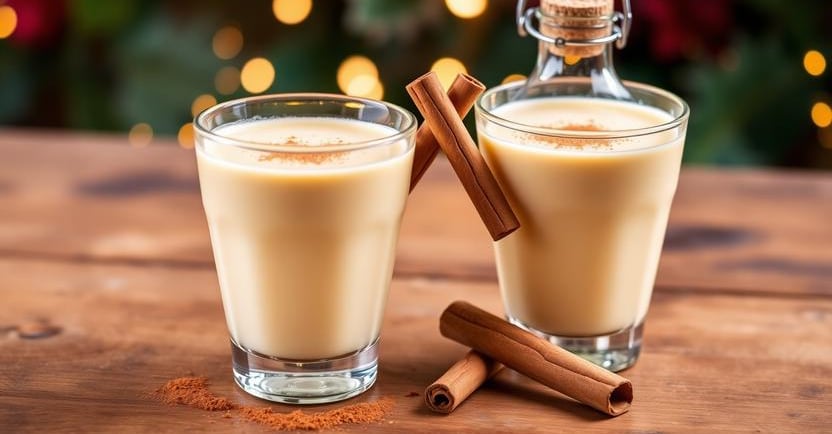
Serve coquito in small glasses—shot glasses, cordial glasses, or even espresso cups work perfectly. It's rich, so a little goes a long way.
Garnish with a cinnamon stick, a sprinkle of ground cinnamon on top, or even a dusting of nutmeg. Some people add a star anise pod for drama.
Serve it ice-cold. Some folks even add ice cubes, though purists prefer it straight from the fridge.
Pairing Coquito with Holiday Treats
Coquito pairs beautifully with traditional Puerto Rican holiday foods like pernil (roasted pork), arroz con gandules (rice with pigeon peas), and pasteles. But it's also fantastic with:
Gingerbread cookies Churros Flan Tres leches cake Basically anything sweet and spiced
Storing and Shelf Life
Stored properly in the refrigerator, coquito lasts 4-6 weeks. The alcohol acts as a preservative, but the dairy ingredients mean it won't last forever.
Always smell and taste before serving if it's been sitting for a while. If it smells off or has separated into distinct layers that won't recombine, it's time to make a fresh batch.
Never leave coquito at room temperature for extended periods. Treat it like you would any dairy product.
The Cultural Significance of Coquito
Coquito isn't just a drink—it's a connection to heritage. For Puerto Ricans living on the mainland or abroad, making coquito during the holidays is a way to stay connected to their roots. It brings back memories of island Christmases, family gatherings, and the sounds of aguinaldos (traditional Christmas songs).
When you make coquito, you're participating in a tradition that spans generations. You're keeping culture alive, one delicious sip at a time.
Gifting Coquito During the Holidays
Homemade coquito makes an incredible gift. Pour it into pretty bottles, add a handwritten label with the date and your name, and tie a ribbon around the neck. Include serving instructions and a note about shaking before serving.
People treasure homemade coquito. It's personal, thoughtful, and delicious—the trifecta of great gifts. Just make sure to mention it needs refrigeration if you're giving it to someone who'll transport it.
Conclusion
There you have it—the only coquito recipe you'll ever need. This creamy, dreamy Puerto Rican holiday staple is easier to make than you might think, and the results are absolutely worth it. Whether you stick to the classic recipe or experiment with fun variations, you're creating something special that brings joy to everyone who tries it.
Remember, the best coquito is made with love and shared with people you care about. Don't stress about making it perfect—embrace the process, adjust to your taste, and enjoy the delicious results. Once you master this recipe, you'll be making it every holiday season, creating your own traditions and memories along the way.
So grab those ingredients, fire up your blender, and get ready to become the coquito legend in your circle. Salud!
Frequently Asked Questions
Can I make coquito without alcohol?
Absolutely! Just omit the rum and increase the vanilla extract. You can also add a touch of rum extract if you want that authentic flavor without the alcohol content. The drink will still be creamy and delicious, making it perfect for all ages.
How long does homemade coquito last in the refrigerator?
When stored properly in sealed glass bottles, coquito typically lasts 4-6 weeks in the refrigerator. The alcohol acts as a preservative, but since there are dairy products involved, it won't keep indefinitely. Always check for off smells or unusual separation before serving.
Should I use egg yolks in my coquito?
This is totally up to you! Traditional recipes vary—some include eggs for extra richness and a more eggnog-like consistency, while others skip them entirely. If you do use eggs, make sure they're fresh and from a reputable source, as they won't be cooked.
Why did my coquito separate?
Separation is completely normal! The coconut cream and other ingredients naturally separate over time. That's why you should always shake the bottle well before serving. If shaking doesn't recombine everything, your coquito might be past its prime.
Can I freeze coquito?
While you technically can freeze coquito, it's not recommended. The texture changes significantly when dairy products freeze and thaw, and you might end up with a grainy consistency. It's better to make smaller batches and keep them refrigerated rather than freezing large quantities.
Please don't forget to leave a review.