The Ultimate Greek Pasta Salad | Perfect for Potlucks!
This isn't just another pasta salad—this is The Ultimate Greek Pasta Salad, meticulously crafted to be the superstar of any potluck, picnic, or backyard BBQ. We're talking al dente pasta tossed with crunchy cucumbers, juicy cherry tomatoes, crisp bell peppers, sharp red onion, briny Kalamata olives, and generous chunks of creamy feta cheese. The magic is in the authentic, herbaceous homemade dressing that coats every bite. This recipe is designed to feed a crowd, travels perfectly, and actually gets better as it sits, allowing the flavors to meld. We'll share pro tips for making it ahead, customization ideas, and why this vibrant, flavor-packed dish is guaranteed to earn you recipe requests. Get ready to bring the fresh, sunny flavors of the Mediterranean to your table!
ITALIAN COOKING & PASTA LOVERS
Helene Henderson (Writer/Author)
12/31/20259 min read
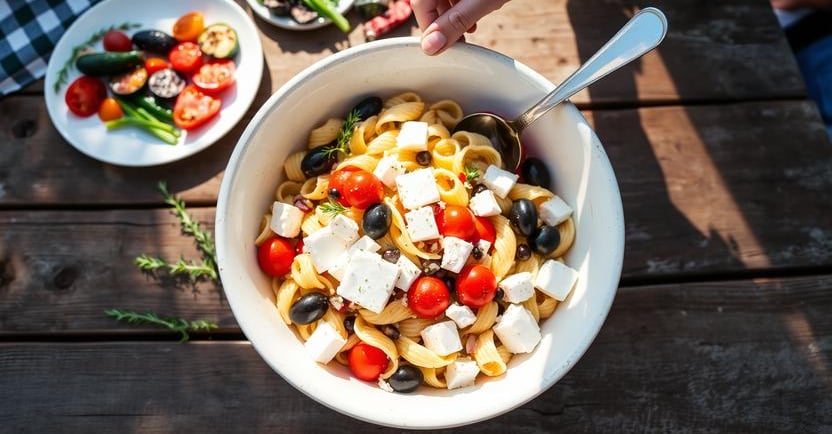
The Ultimate Greek Pasta Salad | Perfect for Potlucks!
Picture this: you're standing at a potluck table loaded with dishes, and there's one bowl that's already half-empty while everything else sits barely touched. That's the power of a well-made Greek pasta salad. It's colorful, it's fresh, and it disappears faster than you can say "opa!"
If you've been searching for that perfect dish to bring to your next gathering, you've just struck gold. Greek pasta salad combines the heartiness of pasta with the bright, fresh flavors of Mediterranean cuisine. It's easy to make, travels well, and honestly, it tastes even better after sitting for a few hours. How many dishes can claim that?
Why Greek Pasta Salad is a Potluck Winner
Let's be real – bringing food to a potluck can be stressful. Will it stay fresh? Will people actually eat it? Will it survive the car ride? Greek pasta salad checks all these boxes and then some.
First off, this dish is a crowd-pleaser that appeals to almost everyone. It's not too exotic for picky eaters, yet it's interesting enough to impress food lovers. The combination of pasta, fresh vegetables, tangy feta cheese, and zesty dressing creates a flavor profile that's both familiar and exciting.
Another huge advantage? It's served cold or at room temperature, which means no scrambling to find oven space or worrying about keeping things hot. You can make it the night before, pop it in the fridge, and grab it on your way out the door. Talk about stress-free!
What Makes Greek Pasta Salad Special?
Fresh Mediterranean Flavors
The magic of Greek pasta salad lies in its ingredient list. We're talking about sun-ripened tomatoes, crisp cucumbers, briny olives, and creamy feta cheese all dancing together in a lemony, herb-infused dressing. These aren't just random ingredients thrown together – they're a celebration of Mediterranean cuisine that's been perfected over centuries.
The beauty is in the balance. The saltiness of the feta and olives plays off the acidity of the dressing, while the vegetables add freshness and crunch. The pasta acts as a neutral canvas that ties everything together and makes the salad substantial enough to be a meal on its own.
Versatile and Customizable
Here's where Greek pasta salad really shines – you can make it your own. Not a fan of black olives? Use kalamata olives or skip them entirely. Want more protein? Add grilled chicken or chickpeas. The basic formula is flexible enough to accommodate dietary restrictions, personal preferences, and whatever happens to be in your fridge.
Essential Ingredients for Greek Pasta Salad
Pasta Selection
The foundation of any pasta salad is, well, the pasta. For Greek pasta salad, you want something that'll hold onto that delicious dressing and mix well with the chunky vegetables. Rotini, fusilli, or penne work beautifully because their shapes have nooks and crannies that trap the dressing.
Cook your pasta al dente – nobody wants mushy pasta salad. Actually, aim for just slightly under al dente because the pasta will continue to absorb moisture from the dressing as it sits. Pro tip: rinse your cooked pasta under cold water to stop the cooking process and remove excess starch.
Fresh Vegetables
Vegetables are where this salad comes alive. Cherry tomatoes are a must – they're sweet, juicy, and hold their shape better than regular tomatoes. Cut them in half so they release some of their juice into the salad, adding extra flavor.
Cucumbers add a refreshing crunch. English cucumbers work best because they have fewer seeds and less water content. If you're using regular cucumbers, scoop out the seeds first to prevent your salad from becoming watery.
Red onions bring a sharp bite that mellows beautifully when dressed. Slice them thin and consider soaking them in cold water for ten minutes if you want to tone down their intensity.
Bell peppers – preferably red or yellow – add sweetness and a satisfying crunch. They also make your salad look absolutely gorgeous with their vibrant colors.
Cheese Options
Feta cheese is non-negotiable in Greek pasta salad. It's tangy, salty, and crumbles beautifully throughout the dish. Look for block feta that you can crumble yourself rather than pre-crumbled feta, which often contains anti-caking agents that affect the texture.
Some recipes call for a little mozzarella too, which adds a milder, creamier element. It's not traditional, but it works if you want to balance the strong feta flavor.
Olives and Peppers
Kalamata olives are the gold standard here. Their rich, wine-like flavor is distinctly Greek and adds depth to every bite. If you can't find kalamata olives, black olives work in a pinch, though the flavor won't be quite as complex.
Pepperoncini or banana peppers add a tangy kick without overwhelming heat. They're optional but highly recommended if you like a little zing in your salad.
The Perfect Dressing
The dressing makes or breaks Greek pasta salad. We're talking about a simple yet flavorful vinaigrette based on olive oil, red wine vinegar, lemon juice, and dried oregano. Garlic is essential – either minced fresh or garlic powder will work.
Some people add Dijon mustard to help emulsify the dressing and add depth. A touch of honey balances the acidity. The key is whisking everything together until it's well combined, or better yet, shaking it up in a jar with a tight-fitting lid.
Step-by-Step Recipe Guide
Preparing Your Ingredients
Before you start cooking anything, prep all your vegetables. This makes the assembly process smooth and quick. Wash your vegetables thoroughly, then chop everything into bite-sized pieces. Your tomatoes should be halved, cucumbers diced, bell peppers cut into chunks, and onions thinly sliced.
Crumble your feta cheese and have your olives ready. If you're using whole olives, pit them and cut them in half. This prep work might seem tedious, but trust me – it makes everything easier once you're ready to assemble.
Cooking the Pasta
Bring a large pot of salted water to a rolling boil. We're talking ocean-level saltiness here – this is your only chance to season the pasta itself. Add your pasta and cook according to package directions, minus one minute.
Once cooked, drain the pasta and immediately rinse it under cold water. This stops the cooking process and cools it down quickly. Let it drain thoroughly in a colander while you prepare the dressing. You don't want excess water diluting your beautiful dressing.
Making the Dressing
In a jar or bowl, combine half a cup of extra virgin olive oil, a quarter cup of red wine vinegar, the juice of one lemon, two minced garlic cloves, one tablespoon of dried oregano, half a teaspoon of Dijon mustard, and a teaspoon of honey. Add salt and pepper to taste.
Shake or whisk vigorously until the dressing is emulsified and slightly thickened. Taste it – it should be tangy and well-seasoned. Remember, this dressing needs to flavor all that pasta and vegetables, so it should taste strong on its own.
Combining Everything Together
In a large bowl – and I mean large, because you need room to toss everything without making a mess – combine your cooled pasta with all the chopped vegetables. Pour about three-quarters of the dressing over everything and toss gently but thoroughly.
Add the crumbled feta cheese and olives, then give it one more gentle toss. Reserve that last quarter of the dressing to add just before serving, as the pasta will absorb quite a bit as it sits.
Pro Tips for the Best Greek Pasta Salad
Timing is Everything
Here's a secret that'll elevate your pasta salad game: make it at least two hours before you plan to serve it, or even better, the night before. This resting time allows the flavors to meld together and lets the pasta absorb some of that delicious dressing.
However, wait to add the feta cheese until closer to serving time if you're making it way ahead. Feta can get a bit soft and mushy if it sits in the dressing too long. Add it an hour before serving for the best texture.
Don't Overdress Your Salad
It's tempting to dump all the dressing in at once, but resist that urge. Start with less dressing than you think you need, toss everything together, and let it sit for a few minutes. The pasta will absorb the dressing, and you can always add more.
If you overdress your pasta salad, it becomes soggy and the individual flavors get lost in a sea of vinaigrette. You want each ingredient to shine while being complemented by the dressing, not drowned in it.
Variations to Try
Protein-Packed Version
Want to turn this side dish into a main course? Add some protein! Grilled chicken breast, cut into bite-sized pieces, is a classic addition. Season it with Greek spices like oregano, garlic, and lemon before grilling for maximum flavor.
Shrimp is another fantastic option. Quickly sauté some shrimp with garlic and lemon, let them cool, and toss them in. The sweetness of shrimp pairs beautifully with the tangy dressing.
For a vegetarian protein boost, add chickpeas. They absorb the dressing wonderfully and add a satisfying heartiness. You could also include cubed grilled tofu seasoned with Mediterranean spices.
Vegan Greek Pasta Salad
Making this salad vegan is surprisingly easy. Simply omit the feta cheese or replace it with a vegan feta alternative. There are several good brands available now that capture that tangy, salty flavor we love.
You can also add extra vegetables to make up for the missing cheese. Sun-dried tomatoes, artichoke hearts, or roasted red peppers all work wonderfully. Some people like to add nutritional yeast to the dressing for a cheesy flavor without actual cheese.
Storage and Make-Ahead Tips
Greek pasta salad keeps beautifully in the refrigerator for up to three days when stored in an airtight container. In fact, it often tastes better on day two after the flavors have had time to develop.
If you're making it more than a day ahead, store the dressing separately and add it a few hours before serving. This prevents the pasta from getting too soft. Also, reserve some fresh herbs to sprinkle on top just before serving for that fresh-from-the-kitchen look.
When you're ready to serve, give the salad a good stir and taste it. You might need to add a splash more dressing or a squeeze of fresh lemon juice to brighten up the flavors. Cold temperatures dull our taste buds slightly, so pasta salad straight from the fridge might need a little boost.
Serving Suggestions
Greek pasta salad is incredibly versatile when it comes to serving. It works as a side dish at barbecues, a potluck contribution, or even a light lunch on its own. Serve it alongside grilled meats, kebabs, or your favorite Mediterranean-inspired main dishes.
For presentation, transfer your pasta salad to a nice serving bowl and garnish with extra crumbled feta, a drizzle of olive oil, and some fresh herbs like parsley or dill. A few whole olives and cherry tomatoes on top make it look extra appetizing.
If you're bringing it to a potluck, transport it in a container with a tight-fitting lid. Bring the reserved dressing separately in a small jar and toss it in just before serving. This ensures your salad looks and tastes as fresh as possible.
Conclusion
There you have it – the ultimate Greek pasta salad that'll make you the star of every potluck, picnic, and family gathering. This dish proves that simple ingredients, when combined thoughtfully, can create something truly spectacular. The bright Mediterranean flavors, the satisfying texture of pasta, and the convenience of a make-ahead dish make this recipe a keeper.
What makes this salad truly special is its ability to bring people together. There's something about the combination of fresh vegetables, tangy feta, and herbaceous dressing that appeals to almost everyone. Whether you're feeding a crowd at a summer barbecue or meal-prepping for the week ahead, this Greek pasta salad has you covered.
So go ahead, give this recipe a try. Experiment with the variations, make it your own, and watch it disappear at your next gathering. And don't be surprised when everyone asks for the recipe – that's just what happens when you bring something this delicious to the table.
FAQs
1. Can I make Greek pasta salad ahead of time?
Absolutely! In fact, Greek pasta salad tastes better when made a few hours ahead or even the night before. This allows the flavors to meld together beautifully. Just reserve some dressing to add before serving, and consider adding the feta cheese closer to serving time to maintain its texture.
2. What's the best pasta shape for Greek pasta salad?
Rotini, fusilli, penne, or farfalle work wonderfully because their shapes have ridges and curves that hold onto the dressing. Avoid long pasta like spaghetti or angel hair, as they don't mix well with the chunky vegetables and can become tangled.
3. How long does Greek pasta salad last in the refrigerator?
When stored properly in an airtight container, Greek pasta salad stays fresh for up to three days. If you notice it getting dry, simply add a splash of olive oil and a squeeze of lemon juice before serving to refresh the flavors.
4. Can I freeze Greek pasta salad?
Freezing isn't recommended for Greek pasta salad. The vegetables will become mushy when thawed, and the texture of the pasta and feta cheese will be compromised. This salad is best enjoyed fresh or refrigerated for a few days.
5. What can I substitute for feta cheese?
If you can't find feta or need a dairy-free option, try vegan feta alternatives available at most grocery stores. For a different flavor profile, you could use cubed fresh mozzarella or even goat cheese, though these will give you a less authentic Greek taste. If you want to keep it dairy-free and don't like vegan cheese, simply omit the cheese and add more olives and vegetables for substance.
Please don't forget to leave a review.